
Dry Stone Waller in Stroud: What to Look For
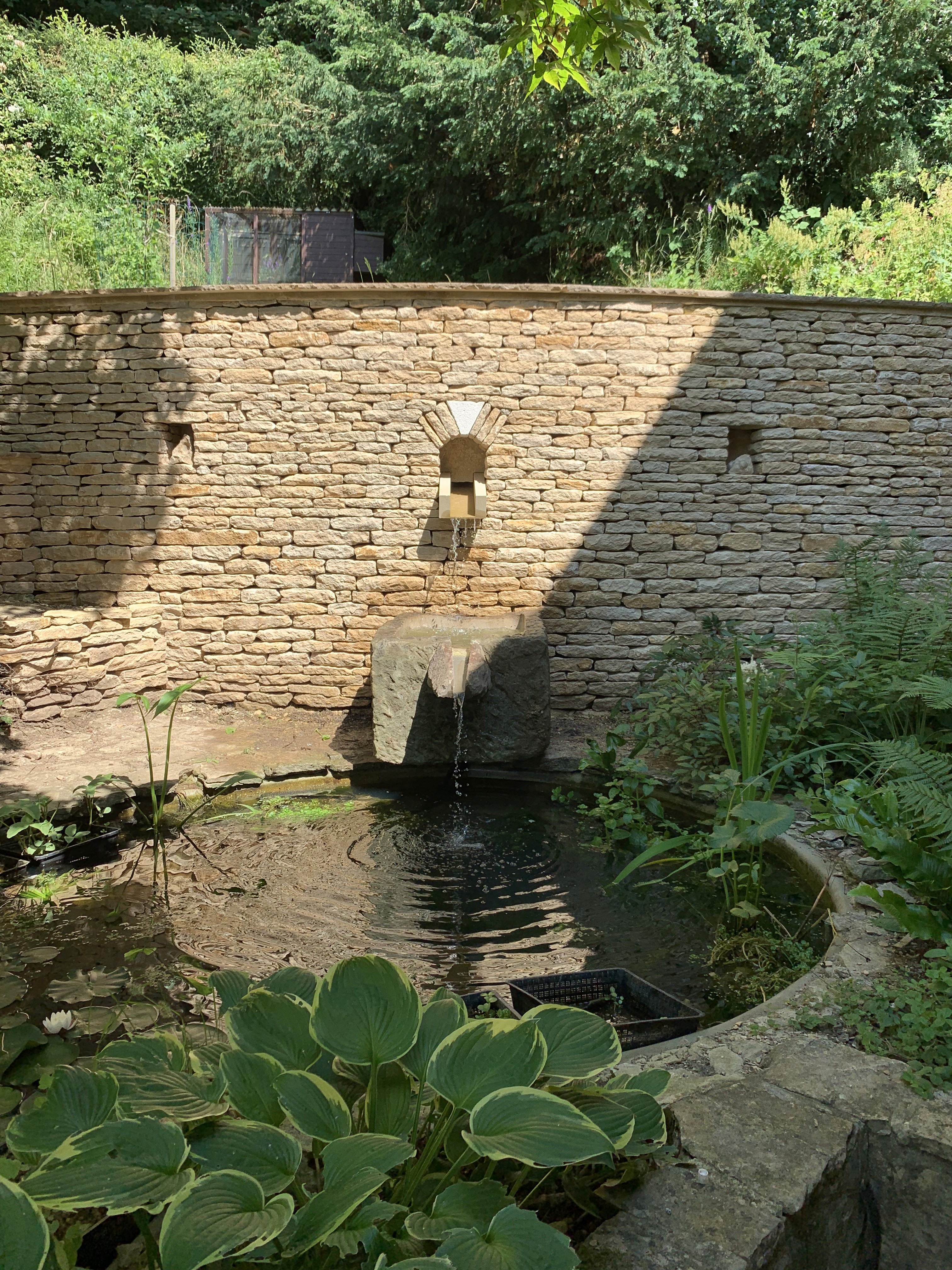
Why Stroud Gardens and Lanes Need Proper Dry Stone Walling
Stroud has a particular relationship with stone. You see it in boundary lines that follow old lanes, in terraced gardens that step down steep plots, and in the small retaining walls that quietly hold back banks after heavy rain. If you’re looking for a dry stone waller in Stroud, it helps to understand why “good enough” walling often isn’t good enough here—especially once winter weather, runoff, and ground movement get involved.
What makes Stroud’s walls different (Cotswold stone, slopes, weather)
Much of the local character comes from Cotswold limestone, and it behaves in predictable ways when it’s laid well—and in frustrating ways when it isn’t. Stroud’s slopes and springy ground can put sideways pressure on walls, while freeze–thaw cycles exploit any voids or poor packing. A dry stone waller in Stroud is typically thinking about water movement and stability from the first site visit, not after something shifts.
How good walling adds value and prevents ongoing collapse
A properly built wall isn’t just “standing up”; it’s doing a job year after year with minimal maintenance. In my experience, the value is most obvious when you avoid repeat call-outs for the same leaning section or constant stone drop at the base. Quality dry stone walling Stroud work also supports kerb appeal, which matters if you’re improving a period property or a rural plot where boundaries are part of the setting.
When “quick fixes” fail on local boundary walls
Quick fixes often show up as pinning stones back in place, backfilling with rubble without proper rebuilding, or laying a cosmetic face while the core stays weak. Those repairs can look tidy for a few months, then fail after prolonged rain or a hard frost because the forces haven’t been dealt with. If you want a useful reference point for the local scene, it’s worth scanning Dry Stone Walling in Stroud, Gloucestershire and comparing the best examples with the walls you see day-to-day around Stroud.
With that context in mind, the next step is understanding why hiring a specialist matters—because the skill gap becomes obvious surprisingly quickly on site.
Dry Stone Waller vs General Builder: The Skill Gap That Shows Fast
Plenty of competent builders can handle a wide range of work, but dry stone is a specialist craft with its own rules. If you’re weighing up who to hire, the difference between a generalist and a dry stone waller in Stroud usually shows up in the first few minutes—long before anyone starts moving stone.
What a specialist notices in the first 5 minutes on site
A specialist will look at ground conditions, nearby trees, and how water travels across the site before discussing aesthetics. They’ll also check whether the wall is acting as a retaining wall, a boundary wall, or both, because those loads change the build approach. When you’re speaking to a dry stone waller in Stroud, this early assessment is a strong signal that they’re thinking structurally, not just visually.
Structural principles: batter, hearting, through stones
Dry stone walls rely on interlocking stone, weight distribution, and careful packing—rather than mortar—to stay stable. Key ideas include batter (the slight inward lean), well-compacted hearting (small stones in the core), and through stones (long stones tying both faces together). If a contractor can’t clearly explain these fundamentals, you may be heading toward avoidable dry stone wall repairs Stroud later on.
Typical mistakes from non-specialists
Common problems include building faces like “stacked cladding” with no meaningful tie across the wall, using rounded stones that don’t bed well, and skipping proper foundations to save time. Another frequent issue is relying on small packing stones to compensate for poor stone choice, which makes the wall fragile and prone to movement. To see how local specialists present their work and talk about the craft, you can compare approaches on Dry Stone Walls Stroud | Dry.
The craft becomes even clearer once you know what you’re looking at. That’s where understanding the wall’s anatomy helps you judge quality with confidence.
The Anatomy of a Strong Dry Stone Wall (So You Can Spot Quality)
If you’re investing in dry stone walling Stroud, it’s useful to know the basic components that make a wall stable. You don’t need to become an expert, but you should be able to recognise the difference between a wall that’s been “made to look right” and one that’s built to last. A good dry stone waller in Stroud won’t mind these questions—most take pride in explaining what they’re doing and why.
Foundations and ground prep for Stroud soil conditions
Foundations in dry stone are not concrete footings in most cases, but they are still foundations: a well-prepared base trench, correctly compacted, and sized to the wall’s height and purpose. Stroud plots can involve mixed ground—clay pockets, made-up soil, or edges where water collects—so good prep is often the difference between decades of service and early movement. If the quote barely mentions base prep, that can be a warning sign when hiring a dry stone waller in Stroud.
Stone selection: faces, beds, and consistent courses
Strong walls come from selecting stones that bed properly: the “bed” should be stable, and faces should sit neatly without relying on tiny wedges for support. Courses don’t have to look overly uniform, but they should feel consistent and interlocked, with vertical joints staggered rather than stacked. If you want a deeper explanation of why this matters and how a specialist thinks, see Why Hire a Dry Stone Waller, which aligns well with how craftsmanship-led teams assess quality.
Coping styles and how they protect the wall
Coping is not purely decorative; it helps lock the top of the wall together and sheds water away from the faces. In the Cotswolds you’ll often see flat copes, rounded styles, or more traditional upright coping stones depending on local preference and available stone. A careful dry stone waller in Stroud will choose a coping approach that matches the wall’s role and exposure, particularly on windy ridgelines or open garden boundaries.
Once you understand these building blocks, the next decision is often whether your wall should be repaired in sections or taken down and rebuilt properly.
Repair or Rebuild? How a Good Waller Advises in Stroud

Not every damaged wall needs a complete rebuild, and not every “repair” is cost-effective. The best advice usually comes from someone who has rebuilt enough failed sections to recognise the hidden causes—poor drainage, weak bases, or repeated pressure from a bank. When you hire a dry stone waller in Stroud, you’re also paying for judgement: knowing what can be saved and what will fail again if you patch it.
Signs a wall can be rebuilt in sections
Sectional rebuilding often works when failure is localised—perhaps a short bulge where water has undermined the base, or a collapse caused by a one-off impact. If the adjoining wall is well-keyed and stable, a specialist can “tooth out” into sound work and rebuild without creating a weak joint. This approach can be practical for dry stone wall repairs Stroud where budgets matter but long-term stability still needs to be addressed.
When a full take-down and rebuild is safer
If the wall has widespread bulging, poor stone bonding, or repeated historic patching, it’s often more economical to take down and rebuild than to chase failures year after year. A full rebuild allows proper foundations, correct batter, and consistent through stones across the whole length, rather than inheriting weak sections. Training standards and craft principles are well documented, and Curriculum in Dry Stone is a useful reference for the underlying competencies a capable waller should understand.
Drainage, trees, and water run-off problems to address
Many Stroud wall failures are water-related: runoff from drives, poor ground falls, or saturated banks that push outward during wet months. Tree roots can also lift and disturb foundations over time, especially when a wall sits at the edge of a hedge line or woodland boundary. A good dry stone waller in Stroud will talk about drainage routes, possible land drains, and vegetation management as part of the repair plan, not as an afterthought.
Once the structure is decided, materials matter just as much—because matching local stone is where repairs either disappear nicely or stand out for years.
What Local Stone Should Look Like Around Stroud (Matching Matters)

Stone choice is one of the quickest ways to spot whether a repair has been handled with care. In and around Stroud, walls often define the character of a lane or garden boundary, so mismatched stone can feel jarring even to non-specialists. A dry stone waller in Stroud should be able to advise on sourcing, blending, and weathering so the finished work looks settled rather than patched.
Cotswold limestone: colour, texture, and aging
Cotswold limestone typically sits in warm honey, buff, and pale grey tones, and it weathers in a way that softens edges and deepens surface texture. Freshly split stone can look brighter at first, which is not necessarily wrong, but it should be selected with the long-term appearance in mind. A careful Cotswold stone waller will often mix tones and faces so the wall doesn’t look like a single new “stripe” running through an older boundary.
Reclaimed vs new stone: pros, cons, and availability
Reclaimed stone can be ideal for visual matching and can sit naturally alongside existing walling, especially where patina matters. The trade-off is availability and consistency: reclaimed supplies may be limited, and you still need appropriate sizes for through stones and coping. Guidance on the general principles of building and repair can be found at How to build or repair a, which is helpful for homeowners trying to understand the implications of different stone choices.
Blending repairs so they don’t look patchy
Good blending is part stone selection and part careful laying—avoiding obvious “new blocks” grouped together and making sure course heights and joint patterns feel continuous. Even when new stone is necessary, a skilled dry stone waller in Stroud can distribute it subtly and use appropriate face selection so the repair doesn’t read as a separate panel. That visual continuity is especially important on roadside boundaries and front garden walls where the work is always on view.
Now that you know what quality looks like, it’s time to get practical: what should you ask a contractor before you book them?
Questions to Ask Before You Hire a Dry Stone Waller in Stroud
When you’re comparing options, the right questions protect your budget and the finished result. You’re not trying to interrogate anyone; you’re simply confirming that the person quoting understands the wall’s purpose, the risks on your site, and the standards expected locally. A reliable dry stone waller in Stroud will usually welcome these checks because it sets expectations clearly from the start.
Portfolio checks: angles, joints, and coping consistency
Ask to see photos from multiple angles, not just straight-on shots, because batter and alignment are easier to judge from the side. Look for consistent joint staggering, neat faces without excessive pinning, and coping that sits level and well-keyed. If you’re already looking at the company background, it’s reasonable to review a contractor’s approach and workmanship standards via pages like About Us to understand who you’ll have on site.
Insurance, guarantees, and what they should cover
At minimum, you want public liability insurance, and you should be clear on what happens if a section fails shortly after completion due to workmanship. Guarantees vary, and a careful contractor will avoid making unrealistic promises because ground movement and external impacts can’t always be controlled. Still, your dry stone waller in Stroud should be able to define what they stand behind: correct build method, appropriate materials, and a stable finish on completion.
Timescales, access, and how they protect your property
Stroud sites often have access constraints—narrow lanes, stepped gardens, limited parking, or shared driveways—so it’s sensible to discuss logistics early. Ask how materials will be stored, how spoil will be managed, and what steps will be taken to protect lawns, paving, and planting. A good dry stone waller in Stroud will set out a practical plan for access and tidiness, not just a start date and a price.
Once those basics are covered, cost becomes the next big question. The important part is understanding what actually drives pricing locally.
Dry Stone Wall Cost in Stroud: What Actually Drives the Price
If you’ve searched dry stone wall cost Stroud, you’ve probably seen wide ranges and not much clarity. That’s because pricing depends on geometry, stone supply, groundwork, and access—often more than homeowners expect. A trustworthy dry stone waller in Stroud should be able to explain the main cost drivers in plain language and show how they relate to your specific site.
Height, thickness, and site access in Stroud lanes and gardens
Taller walls generally require a wider base and more stone per metre, and they take longer because stability demands careful selection and placement. Thickness matters too: a slender wall may look neat but can be inappropriate for exposed or retaining conditions, leading to future dry stone wall repairs Stroud. Access is a major cost factor in Stroud, where getting stone and tools to a back garden can involve steps, tight passages, or limited vehicle proximity.
Stone supply, disposal, and hidden prep work
Stone supply can mean reusing existing wall stone (often cost-effective), importing matching limestone, or sourcing reclaimed material for visual continuity. Disposal costs can apply if failed wall stone is contaminated with soil, concrete, or unsuitable rubble from earlier “repairs.” Prep work—base excavation, levelling, and drainage improvements—often makes the difference between a lower quote that fails early and a higher quote that delivers stability for decades.
Typical pricing models: per metre vs day rates
Some wallers price per linear metre based on height and thickness, which can help homeowners compare like-for-like if the specification is clear. Others use day rates, which can be appropriate for complex dry stone wall repairs Stroud where the extent of take-down only becomes obvious once work begins. Either way, a professional dry stone waller in Stroud should define what’s included: take-down, stone sorting, rebuild, coping, and site clearance.
With pricing understood, it becomes easier to spot quotes that are risky. The next section covers the red flags that often lead to costly rework.
Red Flags: When a Quote (or Craftsmanship) Doesn’t Add Up
Not every problem is obvious on paper, and not every tidy-looking wall is structurally sound. Red flags tend to show up as missing detail, vague scope, and promises that don’t match the physical realities of building with stone on a variable site. If you’re booking a dry stone waller in Stroud, these are the warning signs that can help you avoid paying twice.
Over-promising speed with no mention of foundations
If someone claims they can rebuild substantial lengths unusually quickly, ask exactly how they’re handling take-down, stone sorting, and base preparation. Speed can be achieved with good organisation, but it can also signal skipped steps—especially on sloped ground or wet areas. A credible dry stone waller in Stroud will talk about time in relation to wall height, access, and ground conditions.
No discussion of batter, through stones, or coping
When these essentials are absent from a conversation or quote, it often means the contractor is treating the wall like decorative stacking rather than a structure. Batter and through stones are not optional details; they’re core stability features, and coping is a protective element that reduces water ingress. If you hear vague language like “we’ll stack it back up” without method, it’s a poor sign for dry stone walling Stroud quality.
Messy worksite, unclear scope, and vague materials
A disorganised approach—no plan for spoil, unclear storage of stone, or lack of protection for paths and planting—usually correlates with rushed workmanship. Scope should be specific: length, average height, whether it includes take-down, whether stone is reused, and what happens to surplus material. If a dry stone waller in Stroud can’t define materials (existing, reclaimed, new) and coping style, you’re not comparing like-for-like quotes.
Next, there’s the legal and planning side. It doesn’t apply to every wall, but when it does, it’s worth getting right from the start.
Planning, Boundaries, and Conservation Areas in and Around Stroud
Dry stone walls sit at the intersection of construction and property boundaries, so it’s sensible to consider permissions and responsibilities early. Many repairs are straightforward, but changes to height, alignment, or location can raise questions—particularly in conservation areas or where a wall borders a highway or public footpath. A capable dry stone waller in Stroud will usually flag obvious issues, though you may still need to confirm details with the relevant authority.
When permissions might be needed for boundary changes
Like-for-like repairs are often simpler, but moving a boundary wall, increasing height significantly, or altering access points can trigger planning considerations. In some cases, restrictions may also apply if the wall forms part of a historic setting or is tied to conditions on a previous consent. If you’re uncertain, it’s often wise to pause before demolition and clarify the scope, rather than assuming any dry stone wall repairs Stroud work is automatically exempt.
Working near roads, footpaths, and shared boundaries
Roadside walls bring extra responsibilities: pedestrian safety, safe storage of stone, and sometimes traffic management depending on the lane width and working position. Shared boundaries also require care, because access and ownership can be disputed even when everyone is acting reasonably. A professional dry stone waller in Stroud should be prepared to discuss working methods, temporary stability, and how they will keep the site safe during the rebuild.
How conservation considerations can affect materials and design
Conservation areas don’t automatically prevent work, but they can influence expectations around materials, finish, and whether reclaimed stone should be prioritised. Matching local character—stone type, coping style, and overall look—often matters more in these settings, especially on visible frontages. For property owners managing multiple improvements, it can help to view walling as part of the wider external works strategy, alongside other services listed on Services.
With boundaries and permissions accounted for, the best value often comes from simple maintenance. Dry stone walls are durable, but they’re not “fit and forget.”
Keeping Your Dry Stone Wall Standing for Decades (Simple Maintenance)
Well-built dry stone walls can last for generations, but they still benefit from small, regular checks—particularly in a landscape like Stroud’s where water and vegetation are constant pressures. Maintenance isn’t about fussing over perfection; it’s about catching minor movement early, before gravity does what it always does. If you’ve invested in a dry stone waller in Stroud, a little aftercare can protect that investment for a long time.
Seasonal checks after heavy rain and frost
After prolonged rain, look for bulging faces, fresh gaps in the joints, or stone that has dropped at the toe of the wall. After frost, pay attention to areas that stay damp, because repeated freeze–thaw can slowly loosen hearting and small packing stones. If you spot early signs, addressing them promptly can reduce the scale—and cost—of future dry stone wall repairs Stroud.
Managing vegetation, roots, and nearby hedges
Vegetation management is one of the most practical ways to extend wall life. Self-seeded saplings, ivy, and thick hedge roots can pry stones apart and redirect water into the wall core, especially if growth is allowed to mature. In my experience, the best approach is controlled clearance and ongoing trimming, rather than aggressive removal that disturbs stones and destabilises the face.
Small resets vs waiting for a bigger collapse
Small resets—where a minor bulge is taken down and rebuilt locally—are often quicker, tidier, and less disruptive than waiting for a full collapse. Once a wall falls, the stone becomes mixed and dirty, coping gets damaged, and the rebuild becomes more time-consuming. Keeping a relationship with a reliable dry stone waller in Stroud makes it easier to schedule small works before they become urgent.
Finally, it helps to bring everything together into a simple booking checklist—especially if you’re collecting quotes while juggling other property work.
A Stroud Homeowner’s Checklist for Booking the Right Waller
If you want the best outcome from dry stone walling Stroud projects, preparation and clarity are your biggest advantages. The goal is to make quoting accurate, reduce surprises once work starts, and ensure the finished wall matches both the site conditions and the local character. This checklist is also helpful if you’re comparing multiple quotes for a dry stone waller in Stroud and want to make sure you’re comparing like with like.
Pre-visit photos and measurements to speed up quoting
Take clear photos along the wall from both sides, plus close-ups of any bulges, cracks, or collapsed areas. Provide rough measurements for length and average height, and note access details such as steps, narrow gates, or parking constraints. This level of preparation helps a dry stone waller in Stroud arrive informed and ask better questions on site, which often improves quote accuracy.
What a clear written quote should include
A solid quote should specify scope (take-down, rebuild, repair), whether existing stone is reused, what additional stone is included, coping type, and site clearance responsibilities. It should also clarify assumptions: hidden voids, unstable banks, and drainage improvements that may be recommended once the wall is opened up. If you want a simple way to align expectations, it can help to review common client questions on Faqs and use that as a prompt list during discussions.
Final walk-around: what to inspect before sign-off
Before you sign off, walk the length with the contractor and check for consistent batter, stable coping, and a tidy finish at the ends where the wall meets existing structures. Look for a neat face with well-seated stones, minimal visible pinning, and no obvious vertical joint stacking over long runs. If anything is unclear, a professional dry stone waller in Stroud should be happy to explain choices made on site—especially where stone shape or existing constraints dictated a particular solution.
If you’re planning repairs or new walling around Stroud and want a conversation grounded in traditional methods and structural common sense, you can learn more about Barron’s Building Services on barronsbuildingservices.com or request a site discussion via the Contact page. For projects that sit alongside wider stonework, it’s also worth exploring Stone Masonry to keep materials and detailing consistent across the property.
For any inquiries or to explore your vision further, we invite you to contact our professional team.