
Why Hire a Dry Stone Waller in Gloucestershire?
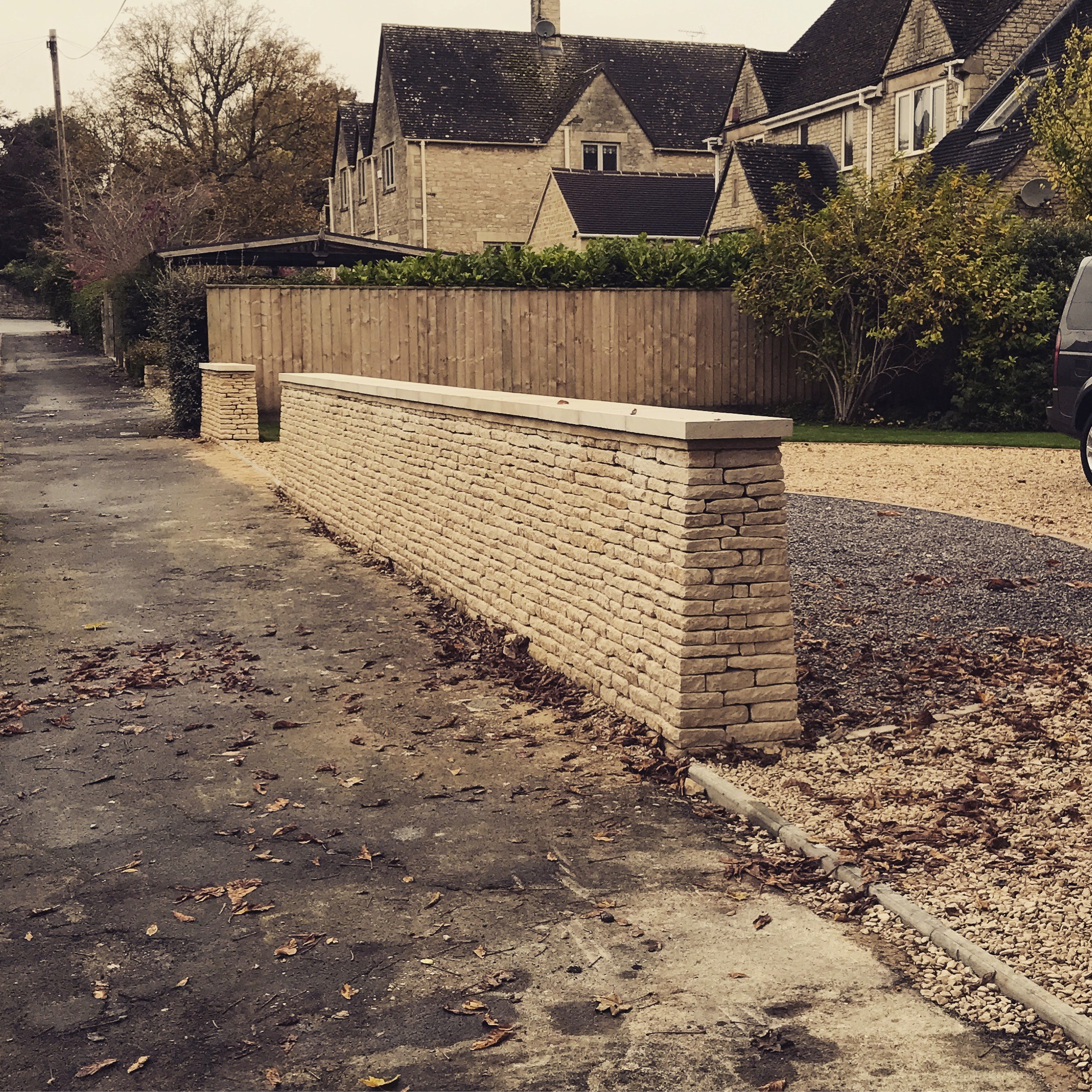
The hidden cost of “good enough” stonework in the Cotswolds

Dry stone walls often look “fine” when they’re first finished, which is exactly why shortcuts can slip through. The trouble is that drystone walling is judged over winters, not weekends—especially across the Cotswolds, where wind-driven rain and freeze–thaw cycles expose weak points slowly, then all at once. If you’re weighing up whether to bring in a dry stone waller Gloucestershire homeowners trust, it’s worth understanding where the real costs tend to appear.
Why walls fail years later (not on day one)
Most failures start as tiny movements: a slight bulge, a coping stone that loosens, or a soft spot where water sits after heavy rain. Over time, that movement breaks the internal “lock” of the wall, and one cold spell can turn a stable-looking section into a collapse. A dry stone waller Gloucestershire clients rely on builds with this long timeline in mind, not just the finished photo.
What homeowners and architects often miss at first glance
From the front, a wall can look neat while the inside tells a different story—poor hearting, inconsistent stone sizes, or faces that are doing all the work. I’ve found that many early signs are subtle: a batter that’s too upright, long vertical joints, or coping that isn’t properly keyed. Resources like Drystone Walling: A Practical Handbook are useful because they show how much structure is hidden behind an apparently tidy finish.
How proper drystone walling protects land and layouts
Beyond appearance, traditional dry stone walls manage levels, retain banks, define boundaries, and protect planting from livestock or foot traffic. If a wall fails, the knock-on cost can include damaged landscaping, compromised access routes, and repeated repairs that never quite settle. That’s why a dry stone waller Gloucestershire property owners choose is often safeguarding the wider layout, not just stacking stone.
What a professional dry stone waller actually brings to a project
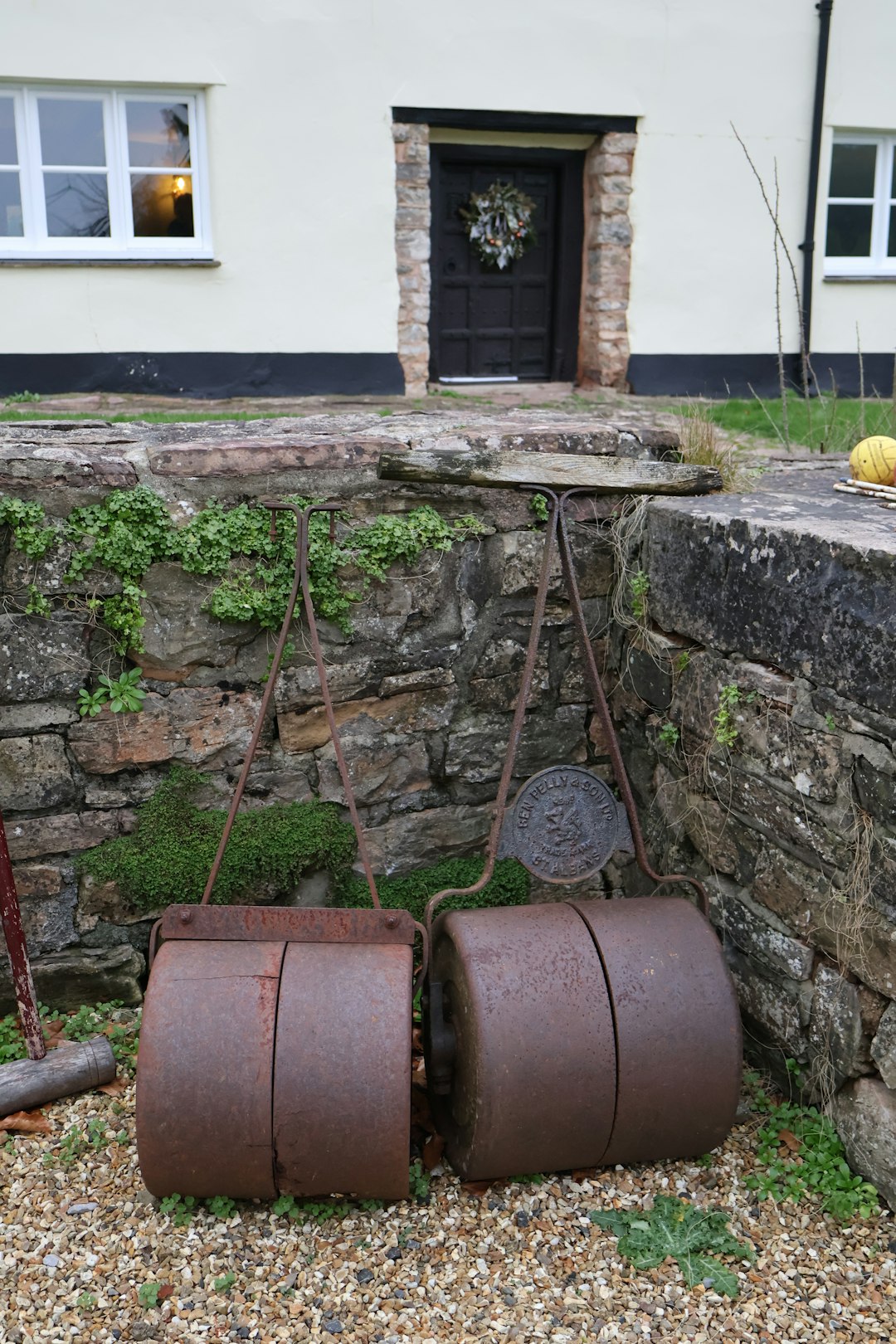
Hiring a dry stone waller Gloucestershire clients recommend is less about “having someone to build it” and more about getting the decisions right before the first stone goes down. At barronsbuildingservices.com, the approach is grounded in site assessment, material selection, and the craft rules that keep traditional dry stone walls stable for decades.
Reading the site: ground, drainage, exposure
A professional starts by reading what the ground is already saying—soft spots, springs, runoff routes, and areas where frost lingers. That informs how the wall is founded, where drainage needs improving, and whether nearby trees or banks will affect stability. In Gloucestershire, exposure can change within a single field, and a dry stone waller Gloucestershire based locally tends to spot these differences quickly.
Stone selection and sorting: the unseen groundwork
Good drystone walling relies on sorting stone by thickness, length, and quality, then using each piece where it performs best. The face stones create the visual character, but it’s the internal selection—through-stones, pinning, and hearting—that determines strength. Guides like Learn how to build a dry highlight the fundamentals, but experience is what makes those fundamentals consistent on real sites.
Line, batter, and stability: craft rules that don’t bend
Line and batter are not preferences; they’re the geometry that keeps the wall standing. A proper batter gives the wall its stance, while clean lines prevent weak points that develop into bulges. A dry stone waller Gloucestershire homeowners hire will keep checking these controls as the wall rises, rather than “correcting later” when the stone has already locked poorly.
Traditional dry stone walls: heritage technique, modern performance
Traditional dry stone walls are part of the Cotswolds identity, but their performance is also quietly modern. When built correctly, they cope with movement, shed water effectively, and can be repaired without stripping out whole lengths unnecessarily. If you’re looking for a dry stone waller Gloucestershire property teams can coordinate with, it helps to know why the technique still outperforms many rigid boundary options.
How dry stone construction moves with the landscape
Because there’s no mortar, a dry stone wall can accommodate small shifts in the ground without cracking through a single weak line. That flexibility matters on sloping gardens, field edges, and old trackways where the ground naturally settles. A dry stone waller Gloucestershire estates rely on will build to allow micro-movement while maintaining overall stability.
Breathability, drainage, and frost resistance
Dry stone construction drains, rather than trapping moisture behind a sealed face. Water finds paths through the hearting and joints, which reduces frost pressure and the spalling you sometimes see on impermeable builds. For a deeper technical background, Dry Stone Walls | PDF | outlines why these walls can be both simple and structurally dependable.
Repairs that respect original character
One of the best features of drystone walling is repairability: you can take down and rebuild a section using the same stone, keeping the look consistent. The goal is always to retain as much original material as practical, particularly around period homes in Cheltenham, Stroud, and the wider Cotswolds. A dry stone waller Gloucestershire clients trust will prioritise that continuity rather than replacing character with something that looks “new.”
DIY vs professional installation: where most problems begin
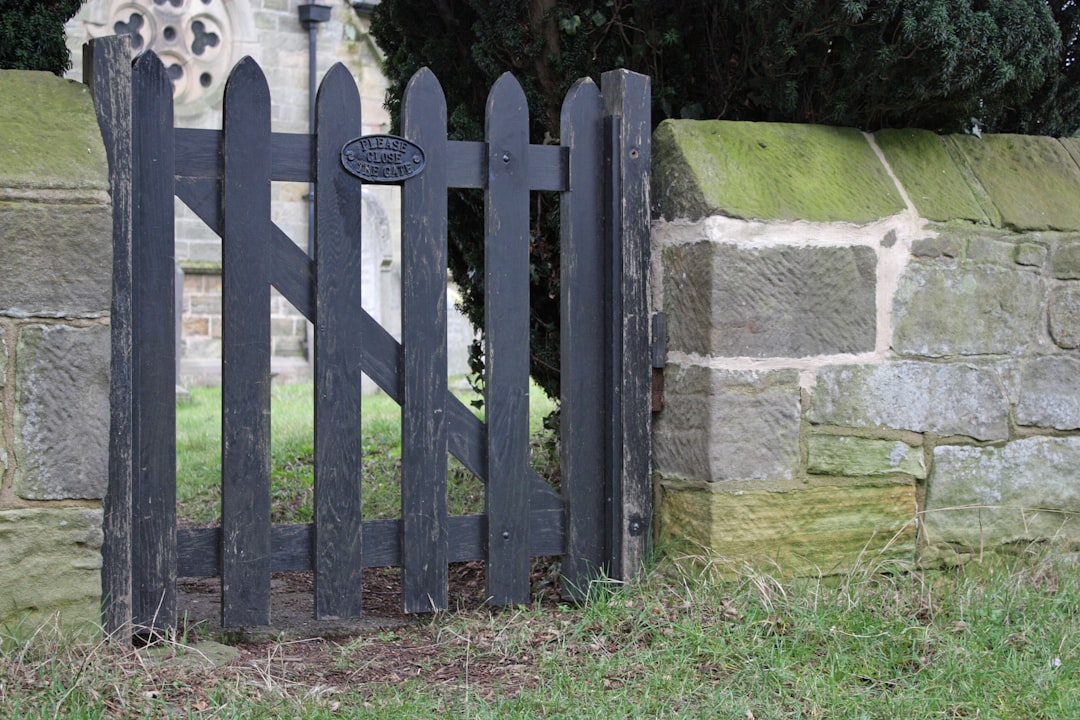
DIY can be satisfying, and for small garden tasks it may be perfectly reasonable. But drystone walling is one of those crafts where minor early errors lead to expensive failures later—especially when the wall is retaining ground, forming a boundary, or sitting in an exposed Gloucestershire location. If you’re comparing DIY with hiring a dry stone waller Gloucestershire homeowners recommend, these are the areas where problems tend to start.
Foundations, footings, and the reality of uneven ground
Walls fail when the base isn’t properly prepared—either too narrow, laid on soft ground, or set without allowing for changes in level. Uneven ground is normal in the Cotswolds, so the foundation approach often involves careful stepping and pinning, not “making it up as you go.” Many practical drawings in An Illustrated Guide to Dry Stone show why the base is not the place to improvise.
Coping stones, hearting, and long-term lock-in
Hearting is where a lot of DIY walls quietly go wrong: big voids get left inside, and the faces end up carrying the load on their own. Coping stones then sit on a wall that isn’t properly locked, so they loosen over time and allow water into the core. A dry stone waller Gloucestershire specialists team will treat hearting and coping as structural elements, not just finishing touches.
Safety, time, and the true cost of rework
Handling heavy stone repeatedly is hard on the body, and unstable sections can be genuinely unsafe to work on. Even when a DIY wall “holds,” the rework involved in correcting bulges, re-laying coping, or rebuilding a failed section often exceeds the cost of getting it built correctly once. For many homeowners, hiring a dry stone waller Gloucestershire based locally becomes the more predictable option for programme and budget.
Working across Gloucestershire: local considerations that matter
Gloucestershire isn’t one uniform building environment; it ranges from sheltered village plots to high, exposed edges where weather hits hard. A dry stone waller Gloucestershire clients choose locally brings an understanding of access constraints, stone types, and the character expectations that planners and neighbours often care about. That’s especially relevant when you’re working near Cheltenham, Stroud, Tetbury, Cirencester, or across into Oxfordshire.
Planning, boundaries, and rural access practicalities
Boundary work can involve more than building: confirming ownership, maintaining access routes, and coordinating with gates, services, or rights of way. On rural sites, simply getting stone delivered and stored without damaging verges or driveways can be a job in itself. For reference material and broader context, Dry stone walling : materials and is a useful pointer toward how varied walling conditions can be.
Wind, water, and frost: exposure differences by site
A wall on an open slope above Stroud may need a different approach to one tucked behind planting in central Cheltenham. Wind can drive rain into joints, and frost pockets can linger in shaded valleys, so the build needs to anticipate moisture movement and settlement. A dry stone waller Gloucestershire owners trust will factor exposure into batter, stone choice, and detailing.
Matching local character around Cheltenham and Stroud
Local character isn’t a buzzword—Cotswold limestone has a particular look, and traditional dry stone walls follow recognisable proportions. In conservation areas or alongside period properties, a wall that feels “off” can detract from the setting even if it stands up structurally. This is where working with an experienced dry stone waller Gloucestershire team supports both aesthetics and property value.
A Cotswolds approach: using local stone for the right look and fit
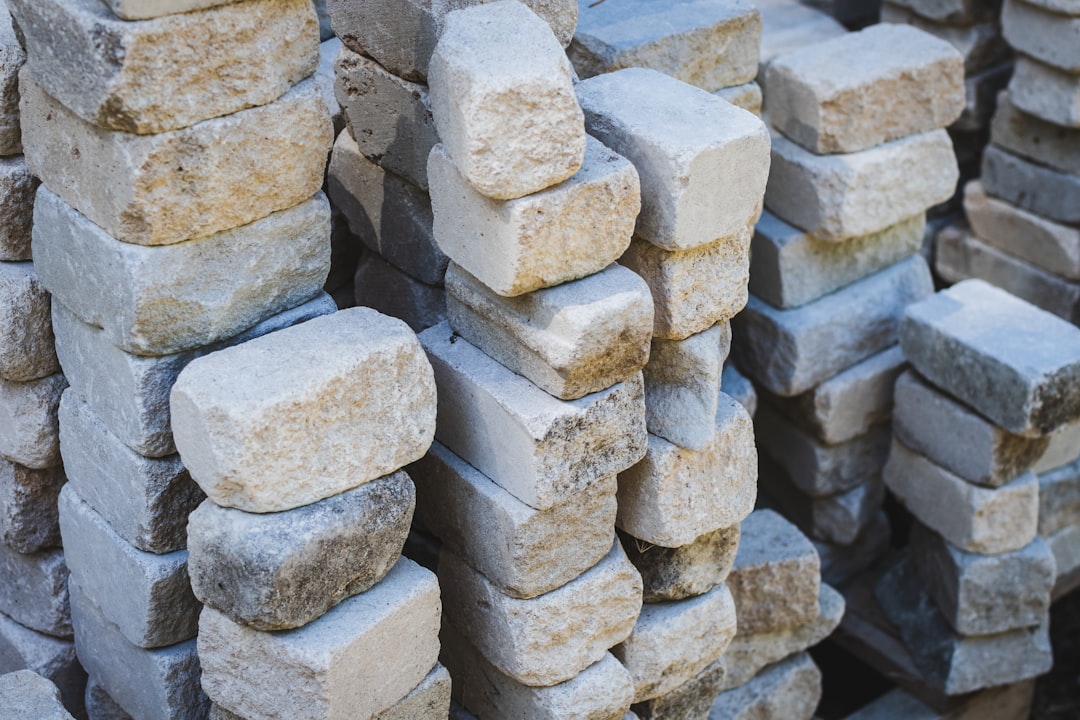
There’s a reason Cotswolds stone looks right in the landscape: it has a familiar colour, beds in predictable ways, and weathers to match older features. When clients ask for drystone walling that blends with existing boundaries, using the correct local material is often the difference between “new work” and a wall that looks like it has always belonged. A dry stone waller Gloucestershire based in the region will typically prioritise the right stone before thinking about speed.
Why local limestone behaves differently from imported stone
Imported stone can be harder or softer than expected, or it may fracture differently when pinning and packing. Local Cotswold limestone tends to have bedding planes that suit traditional techniques, which helps achieve stable courses and tight faces. Technical notes such as Dry Stone Walling Association help explain why material properties matter to wall performance.
Colour, bed direction, and weathering that blends in
Colour is not just visual—it signals stone type and how it may weather over time. Setting stones on their natural bed improves durability and reduces surface flaking, especially on exposed edges. A dry stone waller Gloucestershire clients recommend will be deliberate about bed direction so the wall weathers evenly and sits comfortably alongside older work.
Sourcing and reuse: making the most of existing material
On many Gloucestershire properties, the best material is already on site: collapsed sections, old piles, or stone recovered during landscaping. Reuse preserves character and often improves the match, provided the stone is cleaned, sorted, and selected properly. If your project links into wider work, it can be helpful to coordinate walling with Landscaping and Stone Masonry so levels, steps, and finishes feel integrated.
Repairs, rebuilding, and new walls: choosing the right intervention
Not every failing wall needs a full rebuild, but equally, patching the wrong area can waste money and time. The best approach is usually decided on site: why did this section move, where is the load going, and is the foundation still doing its job? A dry stone waller Gloucestershire property owners trust will explain the options clearly and recommend the level of intervention that will hold up in local conditions.
When to reset sections vs rebuild properly
If the base is sound and the failure is localised—often from impact or a lost coping—resetting a section may be appropriate. Where the foundation has sunk, the wall has bulged over a long length, or water is washing through the base, rebuilding properly is usually the only durable fix. Guidance such as Dry stone walls is helpful for understanding how these structures fit into the wider landscape and why repair quality matters.
Integrating steps, stiles, and gateways without weak points
Openings are natural stress points, and they need careful detailing so the wall doesn’t start to separate at returns or cheeks. Steps, stiles, and gateways can absolutely be integrated cleanly, but they must be tied into the build with sound stone selection and proper interlock. A dry stone waller Gloucestershire team experienced with rural boundaries will treat these features as structural, not decorative.
Building new while keeping a “settled-in” feel
Brand-new walls can look stark if the stone mix and finish are too uniform. Thoughtful face selection, appropriate coping style, and a sensible approach to coursing can create a wall that feels consistent with older boundaries nearby. If you want that “belongs here” quality around Tetbury or Cirencester, hiring a dry stone waller Gloucestershire specialists team is usually the most reliable route.
Design details architects care about (and owners appreciate later)
When architects and designers specify drystone walling, they tend to focus on lines, junctions, and how the wall terminates against other materials. Those details are not fussy extras; they’re what makes the finished work read as intentional and high quality. If you’re planning a broader build or garden scheme, it can help to speak with a dry stone waller Gloucestershire homeowners and professionals work with regularly.
Heights, curves, returns, and tidy terminations
Height affects stability, but it also changes how a boundary feels—whether it’s a crisp edge or a more open division. Curves and returns need careful set-out so the wall doesn’t “fight” the line and introduce weak vertical joints. A dry stone waller Gloucestershire architects recommend will usually establish these controls early and keep them consistent throughout the build.
Tying into banks, hedges, and existing structures
Many Cotswolds properties have a mix of banks, hedges, and older stonework, and the wall has to meet them cleanly. The tie-in detail determines whether water gets trapped, whether soil pushes the wall, and whether the junction stays tidy after settlement. This is where coordination with Services like groundworks and associated stonework can prevent compromises later.
Consistency: coping style, face selection, and finish
Consistency is what makes a long run of walling look calm rather than patchy. Coping style should match local precedent, face stones should be selected so the wall reads evenly, and the finish should suit the property—especially near period homes. A dry stone waller Gloucestershire specialists team will aim for a result that feels natural in the setting, not overly “manufactured.”
Long-term value: durability, maintenance, and property character
People often think of walling as a one-off cost, but the better way to view it is as an asset that either demands ongoing fixes or quietly does its job for decades. Traditional dry stone walls, built correctly, are among the most economical boundaries when you factor in lifecycle and repairability. This is a major reason many clients choose a dry stone waller Gloucestershire homeowners trust rather than chasing the lowest initial quote.
Lifecycle thinking: why well-built walls cost less over time
A well-built wall is less likely to bulge, shed coping, or require repeated patching after heavy winters. Even when repairs are needed, dry stone sections can be dismantled and rebuilt using the same material, keeping costs predictable. In my experience, a dry stone waller Gloucestershire team that builds properly at the start typically saves clients at least one major rework cycle over the wall’s life.
How good stonework supports kerb appeal and setting
Stone boundaries frame driveways, garden edges, and entrances, so they influence first impressions more than most owners expect. A crisp wall line, good coping, and matching Cotswolds stone can make the whole site look more coherent and well cared for. If your property includes wider construction work, aligning walling with Extensions or landscape changes helps protect the overall design intent.
A maintenance checklist that keeps walls sound
Maintenance is mainly about early detection: checking for bulges, loose coping, and areas where water is washing out the base after storms. Keep vegetation controlled so roots don’t prise stones apart, and avoid piling soil or mulch against the face where it traps moisture. If you’re unsure what you’re seeing, a dry stone waller Gloucestershire professional can assess whether it’s cosmetic settling or the start of a structural issue.
What to ask before you hire in Tetbury, Cirencester, or beyond
Choosing the right contractor is easier when you ask questions that reveal method, not just marketing. A dry stone waller Gloucestershire with a solid process should be comfortable explaining how they’ll set out, source stone, and control quality as work progresses. For clients comparing providers across Gloucestershire and into Oxfordshire, these points usually separate experienced craft from confident talk.
Experience, portfolio, and method (not just photos)
Photos are useful, but you also want to understand the build approach: foundation depth, use of through-stones, coping style, and how corners and returns are formed. Ask where the stone came from and whether the work involved repair, rebuild, or new construction. You can also review background detail via About Us to understand the broader construction experience behind the walling.
Timeline, access, and how spoil/stone is handled
Good walling involves space for sorting stone, safe stacking, and access for moving material without damaging lawns, paths, or verges. Ask how the team will protect existing features and what happens to unsuitable stone or excavated material. A dry stone waller Gloucestershire team that plans these logistics up front will typically run a cleaner, more reliable site.
How workmanship is checked as the wall rises
Quality control should happen continuously: checking line, batter, and bond rather than waiting until the end. Ask how often levels and profiles are re-checked, and what triggers a decision to re-lay a section before it becomes a bigger issue. If you want practical reassurance about common queries, Faqs can be a helpful starting point.
Next steps: get a wall that will still look right in 30 years
If you want drystone walling that suits your property and stands up to Gloucestershire weather, start with a straightforward site visit and an honest assessment. Barron’s Building Services can review existing walls, discuss options for rebuild or new construction, and advise on how to integrate related works so everything feels consistent.
A simple site visit plan: measure, assess, and agree the approach
A good visit covers levels, ground conditions, access, and the intended function—boundary, retaining, garden structure, or estate walling. You’ll typically agree the wall line, approximate height, coping style, and whether existing stone can be reused. For location context, Areas We Cover is useful if your project sits outside the main towns.
When to coordinate with stonemasonry or landscaping
Walling often connects to steps, terraces, drive edges, and planting levels, so timing matters. Coordinating with Drystonewalling and associated services helps avoid rework and ensures junctions look deliberate. On larger sites, Dronesurveys can also support planning and inspection, particularly where access is difficult.
Soft call to action: discuss options for your property
If you’re considering hiring a dry stone waller Gloucestershire homeowners and designers can rely on, it’s worth having a short conversation early—before design decisions and budgets are fixed. Share a few photos, your location (Cheltenham, Stroud, Tetbury, Cirencester, Gloucester, or nearby), and what the wall needs to do. From there, you can arrange a visit via Contact and move forward with a clear, site-appropriate plan.
For any inquiries or to explore your vision further, we invite you to contact our professional team.