
Dry Stone Walling Cost in Gloucestershire (2026)
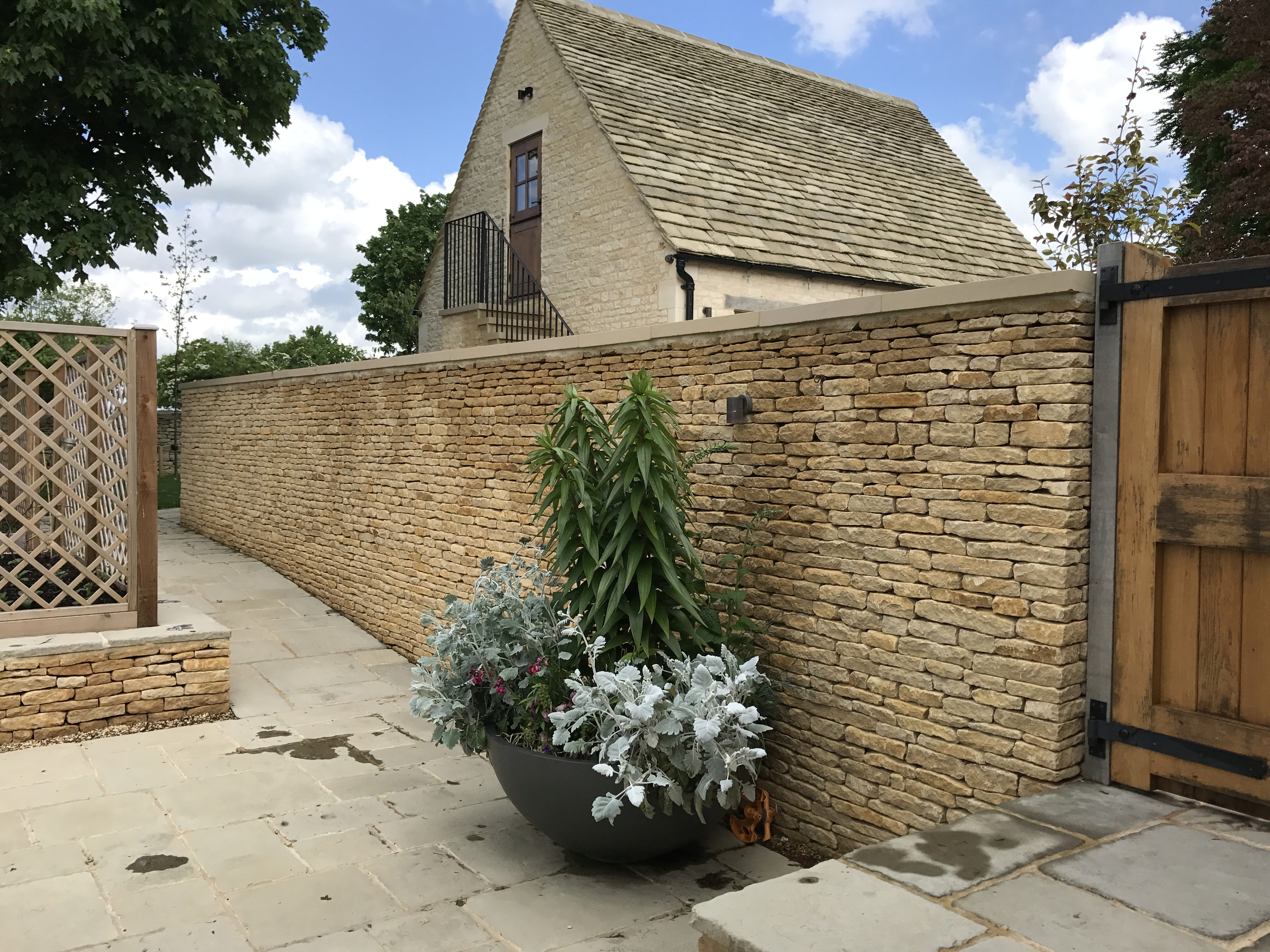
Dry stone walls are one of those features that look effortless when they’re done well—clean lines, tight faces, and a natural “belonging” in the Cotswold landscape. The reality is that good walling is skilled, physical work with a lot of variables that affect price. If you’re trying to pin down the dry stone walling cost in Gloucestershire for 2026, the most useful approach is to understand how prices are commonly quoted (per metre, per square metre, or day rate), then sanity-check your expectations using reputable UK cost guides and labour-rate references.
This blog post is written for Gloucestershire homeowners, private estates, and designers who want pricing clarity before requesting quotes—especially around Cheltenham, Stroud, Tetbury, Cirencester, and the wider Cotswolds. We’ll reference UK-wide benchmarks and explain how they translate to real site conditions locally. Where it’s helpful, you’ll also see how our wider construction and stonework perspective at barronsbuildingservices.com shapes what tends to matter most on-site: access, stone supply, wall specification, and whether you’re rebuilding an existing boundary or starting from scratch.
What Gloucestershire homeowners actually pay (and why it varies)
When clients ask about dry stone walling cost in Gloucestershire, the biggest challenge is that there isn’t one universal number that applies to every boundary, garden terrace, or estate wall. What people “actually pay” is shaped by wall specification and site realities as much as headline rates.
Typical quote formats: per metre, per m², or day rate
In practice, you’ll see three common ways to price dry stone walling:
Per metre (linear metre): common for boundary runs where height and thickness are standardised. This is where you’ll often see “dry stone wall cost per metre UK” style figures in guides—useful for early budgeting, but still dependent on height, stone, and ground conditions.
Per square metre (m²): helpful when wall height varies, or when comparing designs with different heights and returns. If you know length and height, you can estimate the face area and compare quotes more consistently. This also ties into “dry stone wall cost per square metre” guidance.
Day rate / labour-only: particularly relevant for repairs, rebuilds, or heritage work where output per day is harder to predict. This is where “stonemason day rate UK” benchmarks become useful context.
Key cost drivers in Gloucestershire: stone availability, access, height, and repairs vs new build
Locally, the dry stone walling cost in Gloucestershire is often influenced by:
Stone supply and matching: Cotswold limestone can be sourced in different ways, and matching an existing wall can be more involved than building new with consistent material.
Access and logistics: tight lanes, sloped gardens, limited storage space, and long barrow distances all impact labour efficiency.
Height and stability: taller walls and retaining situations require more stone volume and careful construction.
Rebuilds and repairs: dismantling, sorting, and rebuilding can be more time-intensive than a straightforward new build with uniform stone.
How to use national averages without getting misled on a local job
National guides are invaluable as a sense-check, but they’re not a substitute for a site visit—especially in the Cotswolds where access and stone matching matter. Use UK averages to spot quotes that are clearly out of step, then focus on specification: height, thickness, coping/top finish, foundations/ground prep, and whether stone is reclaimed, supplied new, or reused from the existing wall. If you’d like more context on how we approach scoping and pricing, our Drystonewalling service page and Faqs can help you prepare before speaking to a contractor.
Average Dry Stone Walling Costs in 2026 (Checkatrade)
Average Dry Stone Walling Costs in 2026 (Creator: Checkatrade) is one of the cleanest starting points if you want a current-year UK benchmark. It’s free to access and aimed at giving homeowners a practical sense of what they might spend.
Features: 2026-focused UK cost estimates for dry stone walling
What I like here is the 2026 framing. Too many cost articles float around for years without being refreshed, and that’s risky when labour and material pressures change. This guide is structured as an accessible overview of typical dry stone walling costs in the UK, making it useful when you’re trying to orient your budget early.
Use case: sanity-checking Gloucestershire quotes against national guide prices
For dry stone walling cost in Gloucestershire, use Checkatrade as a sanity-check: if you receive a quote that feels unexpectedly high or low, it’s a quick way to check whether you’re in the right ballpark nationally. That’s particularly helpful if you’re comparing a couple of different measurement methods (per metre versus per m²) and want a baseline reference.
Pros/cons: broad benchmark vs not location-specific to Gloucestershire
Pros: reputable, homeowner-friendly, and gives you a broad benchmark quickly.
Cons: it’s not written specifically for Cheltenham, Stroud, Tetbury, or Cirencester sites—so it won’t reflect local access issues, stone matching requirements, or the way Cotswold properties can complicate logistics.
Who it’s for: homeowners wanting a quick, reputable starting point
If you’re early in planning and want to sense-check your expectations before contacting contractors (or before deciding whether a rebuild is viable), this is a strong first read. It pairs well with the more “measurement-based” sources below.
How Much Does a Dry Stone Wall Cost in 2025? Expert Price Guide (Brickwork Services Scotland)
How Much Does a Dry Stone Wall Cost in 2025? Expert Price ... (Creator: Brickwork Services Scotland) is useful because it frames pricing in a way many homeowners don’t initially consider: per square metre. It’s free and reads like a practical pricing explainer.
Features: pricing framed per square metre
Per-metre pricing can be a little misleading if you don’t lock down wall height. An m² approach forces clarity: length × height = face area, then you can compare quotes on a like-for-like basis. If you’re trying to understand dry stone wall cost per square metre, this guide is directly relevant as a conceptual model.
Use case: estimating costs when you know wall height and length (convert to m²)
This is especially handy when you have stepped ground, a garden design with varying heights, or a retaining situation where the wall face area is the most honest way to describe the work. In Gloucestershire terms, that could mean anything from a sloped garden in Stroud to boundary work around a larger rural plot near Cirencester.
Pros/cons: clear m² framing vs based on Scotland context rather than Gloucestershire
Pros: the m² framing makes it easier to compare multiple quotes and different designs without guesswork.
Cons: it’s Scotland-context, so treat it as a method and benchmark rather than a direct prediction of dry stone walling cost in Gloucestershire.
Who it’s for: people comparing multiple quotes on a like-for-like area basis
If you’re already collecting prices and want to make sure you’re comparing fairly—especially if one contractor quotes per metre and another quotes per day—m² thinking will help you translate everything into a consistent basis.
Cost of Building a Stone Wall (MyBuilder)
How much is the cost of building a stone wall? (Creator: MyBuilder) is a helpful piece because it zooms out slightly. Instead of only discussing dry stone, it looks at stone wall types and the cost implications of different approaches.
Features: compares stone wall types and their cost implications
This matters because “stone wall” can mean different things to different people: dry stone boundary walls, mortared stone walls, decorative facing, or structural masonry. The guide helps clarify why prices vary so much between “stone walls” that look similar at first glance.
Use case: deciding what kind of stone wall you’re actually pricing (and why costs differ)
If you’re planning a wider project—perhaps connected to landscaping or an extension—this is valuable context. A dry stone wall might be perfect for a boundary or garden division, while other wall types suit different performance requirements. For clients already planning broader works, it can be useful to look at our Services overview and the dedicated Landscaping page to understand how walling often sits alongside levels, steps, patios, and drainage.
Pros/cons: helpful comparisons vs may require translating to local Gloucestershire conditions
Pros: makes the differences between wall types explicit—useful for early decision-making.
Cons: you still need to translate any national guidance into Gloucestershire site realities (access, stone sourcing, and the level of finish expected on Cotswold properties).
Who it’s for: homeowners weighing alternatives before committing to dry stone
If you’re torn between rebuilding an existing dry stone boundary, building a new run, or considering another stone solution, this guide helps you ask better questions before you spend time on detailed quotes.
Going rate for Drystone walling : r/DIYUK
Going rate for Drystone walling : r/DIYUK (Creator: Reddit) is not an official pricing guide, but it can still be informative because it captures what people claim they’re paying or charging, and what they think is driving the number.
Features: anecdotal UK rates and real-world discussion points
The value here is the “why” behind people’s experiences: comments often mention complexity, how quickly a competent waller can work, and how much time gets eaten up by sorting stone or dealing with awkward sites. That kind of detail mirrors what we see in real projects, even if the numbers themselves vary.
Use case: understanding what people say they’re being quoted/paid and what affects it
For dry stone walling cost in Gloucestershire, I’d treat this thread as a reality check on variation. If you’re reading formal guides and wondering why your quote isn’t neatly aligned, this type of discussion helps underline that output depends on stone, access, wall condition, and finish expectations.
Pros/cons: candid and current-feeling vs not authoritative and varies by region/skill
Pros: candid, practical, and often highlights the hidden time sinks clients don’t consider.
Cons: not authoritative, not region-specific, and skill levels vary widely—so don’t use it as your primary benchmark.
Who it’s for: readers who want ‘on the ground’ context to pair with formal guides
This is best used alongside reputable sources like Checkatrade, MyBuilder, and Yell—so you combine formal ranges with real-world reasons prices move.
Stone Walling for Gardens
Stone Walling for Gardens (Creator: Paving Direct) is useful because it focuses on the dry stone wall materials cost side—specifically walling stone as a purchasable product. It’s marked as a paid source, which is worth noting when you evaluate it.
Features: material costs for dry walling stone
Many homeowners understandably focus on labour, but materials can be a meaningful part of the budget—especially when you’re not reusing existing stone, or when you’re trying to match a particular look. Seeing stone presented as a product line item helps separate supply cost from workmanship.
Use case: separating supply (stone) cost from labour in a Gloucestershire budget
When you’re calculating dry stone walling cost in Gloucestershire, it’s helpful to break a quote into:
Stone supply (new or reclaimed walling stone, and any coping/top stones if applicable)
Delivery and handling
Labour (including sorting, building, and finishing)
This kind of separation also helps when you’re comparing quotes that include supply versus those that assume you already have stone on site.
Pros/cons: useful for materials planning vs pricing depends on product/spec and is paid-source
Pros: practical for understanding the materials side of the equation and how specification affects cost.
Cons: product pricing depends heavily on what you select and availability; also, it’s a paid-source, so treat it as part of your wider research rather than the only reference.
Who it’s for: DIY-minded readers or anyone wanting to understand stone supply costs
Even if you’re not building the wall yourself, understanding supply helps you evaluate whether a quote is transparent and whether stone matching is likely to add cost on a Cotswold property.
Garden Brick Wall Cost Guide 2026: How Much to Build a ...
Garden Brick Wall Cost Guide 2026: How Much to Build a ... (Creator: MyJobQuote) isn’t a dry stone walling-only document, but it’s still relevant because it places garden wall costs into a broader “homeowner budgeting” context and includes a general drystone wall cost range as part of that landscape.
Features: general drystone wall cost range presented alongside garden wall pricing context
When homeowners are deciding between options—brick, mortared stone, or dry stone—guides like this can help anchor early feasibility. It’s also helpful for clients working through overall project budgets that include walls, paving, and levels.
Use case: quick ‘ballpark range’ check when comparing wall options and budgets
If you’re still in the early stage—perhaps you’ve just bought a property near Tetbury, or you’re redesigning a garden in Cheltenham—this kind of range-driven guide can help you decide whether you should explore a full dry stone approach or adjust the scope before tendering.
Pros/cons: broad ranges help early planning vs less specific than per-metre/per-m² detail
Pros: accessible, good for initial budget brackets, and helps frame garden wall costs generally.
Cons: it’s not as detailed for dry stone specifics as per-metre or per-m² guides, so you’ll still need more precise methods to estimate dry stone walling cost in Gloucestershire.
Who it’s for: homeowners early in the planning stage needing a rough budget bracket
This is for early planning—before you start pinning contractors down to a detailed spec. If your project includes other construction elements, our Extensions page may also be relevant for understanding how budgets can interact when landscaping and boundary work sit alongside building works.
Dry Stone Wall Cost Explained Simply
Dry Stone Wall Cost Explained Simply (Creator: MyBuilder) is one of the clearest sources for homeowners who think in terms of boundary length. It frames cost in a way that’s easy to apply if you know how many metres of wall you need.
Features: dry stone wall cost framed per metre
If you’re searching for dry stone wall cost per metre UK, this type of guide is usually what you’ll land on—and for good reason. Linear metres are how many boundary walls are measured on-site, and it’s often the quickest way to create a first-pass budget.
Use case: estimating project totals when you know the run length (typical for boundaries)
For typical Gloucestershire jobs—field boundaries, driveway edges, garden divisions—clients often know the approximate run length but not the final design detail. A per-metre guide helps you start the conversation and decide whether to proceed with design, permissions (where relevant), and detailed site scoping.
Pros/cons: easy-to-apply per-metre logic vs final cost still depends on height/spec/access
Pros: straightforward and easy to convert into a project total.
Cons: per-metre figures can hide the biggest cost drivers: increased height, thickness requirements, tight access, and whether you’re rebuilding an existing wall with variable stone sizes.
Who it’s for: readers pricing straightforward boundary walls in Gloucestershire
This is a strong fit if your project is a relatively standard boundary wall and you want a clearer sense of dry stone walling cost in Gloucestershire before requesting a formal quote. For those who want to understand how professional walling integrates with masonry and wider stonework, our Stone Masonry page provides additional context.
Understanding the Cost of Dry Stone Walling
Understanding the Cost of Dry Stone Walling (Creator: DryStoneWallingPros.com) is useful because it focuses on cost breakdowns by wall type. That’s a practical way to think about pricing because the specification (and intended performance) drives labour and materials.
Features: cost breakdown by wall type
A structured breakdown is helpful when you’re trying to pin down why one wall costs more than another. Even within “dry stone walling”, your choices around height, finish, and whether it’s freestanding or serving a supporting role can change the build method and time required.
Use case: mapping your wall specification (type) to cost drivers before requesting quotes
If you want a contractor’s quote to be accurate (and comparable), you need to communicate what you’re asking for. This source helps you think in terms of specification rather than simply “a wall along that edge”. For dry stone walling cost in Gloucestershire, that means you can approach contractors with clearer requirements—particularly important on period properties where aesthetics and matching are part of the job.
Pros/cons: structured breakdown vs you’ll still need local labour/material rates for Gloucestershire
Pros: provides a clear structure for understanding what you are paying for.
Cons: you still need to apply local labour realities (availability, access constraints) and stone sourcing specifics in Gloucestershire and Oxfordshire.
Who it’s for: readers who want to understand what they’re paying for (not just the number)
This is ideal for clients who want more than a headline figure and prefer itemised clarity—especially architects, designers, and private estates comparing different wall concepts.
Dry Stone Wall Contractor Stroud, Glos | Gazzard Landscaping
Dry Stone Wall Contractor Stroud, Glos | Gazzard Landscaping (Creator: Gazzard Landscaping) is included here as a relevant local contractor page. It’s marked as a paid source and is not a pricing list, but it does help show what a provider highlights when speaking to local clients.
Features: local Gloucestershire contractor page and service context
When you read a local service page like this, you get a sense of how the work is positioned: typical scopes, where the contractor operates, and the general approach. For someone searching specifically for a Stroud dry stone wall contractor, this is clearly aligned geographically.
Use case: understanding what a local provider highlights (scope, approach, location served)
For dry stone walling cost in Gloucestershire, local relevance matters because logistics and site access frequently define cost. Seeing a Stroud-focused page helps reinforce the point that regional site conditions are part of pricing and why quote-led assessment is the norm.
Pros/cons: Gloucestershire relevance vs not a universal price list (quote-led, paid-source)
Pros: Gloucestershire relevance and helpful context around service offering.
Cons: not a universal price list; you still need a measured site scope. Also a paid source, so treat it as contextual rather than definitive.
Who it’s for: homeowners near Stroud looking for local execution and site-specific quoting
If you’re based around Stroud and are collecting local options, this is the type of page that can help you frame initial questions—particularly around rebuilds, access, and finishes—before inviting site visits.
How much do dry stone wallers and stonemasons cost?
How much do dry stone wallers and stonemasons cost? (Creator: Yell) is a straightforward labour-rate reference. When you’re trying to understand a quotation, labour is usually the largest component—so a source that focuses on rates can be very useful.
Features: UK labour rate context for wallers and stonemasons
This guide focuses on what dry stone wallers and stonemasons cost in the UK in labour terms. That’s especially relevant when your quote is presented as a day rate, or when you’re trying to sense-check whether the labour portion of a per-metre figure seems realistic.
Use case: estimating the labour portion of a Gloucestershire dry stone wall quote
For dry stone walling cost in Gloucestershire, this is helpful because it supports a more informed conversation. If a quote is substantially above what you expected, a labour-rate reference helps you explore the “why”: is it a complex rebuild, difficult access, high finish requirement, or simply a different wall specification?
Pros/cons: labour-focused clarity vs doesn’t include full materials/site specifics
Pros: clear labour-rate context and a practical way to interpret day-rate pricing.
Cons: labour rates alone don’t capture the full project cost—stone supply, delivery/handling, waste removal, and access arrangements still matter.
Who it’s for: readers comparing day rates vs per-metre pricing and checking value
If you’ve received one quote that is day-rate based and another that’s a per-metre lump sum, labour-rate context helps you compare value sensibly. For more information about how we work and what clients can expect from a craftsmanship-led contractor, see About Us.
Choosing the best pricing method for your Gloucestershire wall
If you want the most accurate understanding of dry stone walling cost in Gloucestershire, selecting the right pricing method is half the battle. The “best” method isn’t universal—it depends on whether your wall is a clean new run, a careful rebuild, or something with changing heights and details.
When per-metre pricing makes more sense than per-m² (and vice versa)
Per metre works well when the wall is a consistent height and thickness across a straightforward run—common for boundary walls. If you’re researching “dry stone wall cost per metre UK”, this is typically the most applicable format for simple layouts.
Per square metre tends to be fairer when height varies, when you have retaining sections, or when returns/steps create more face area relative to length. If you’re comparing designs, “dry stone wall cost per square metre” logic is often clearer.
Day rate can be appropriate for repairs and rebuilds where the condition of existing stone and the extent of reworking can’t be confirmed until dismantling begins.
How to compare quotes consistently using the same wall spec and measurement basis
To compare like-for-like, ensure each contractor is pricing the same specification:
Length and average height (and whether height varies)
Wall type: new build or rebuild/repair
Stone source: reused on-site stone vs supplied walling stone
Finish details: coping/top finish, corners/ends, gateways or transitions
Site constraints: access, parking, storage, and distance for moving stone
Then ask each contractor to confirm whether their pricing is per metre, per m², or a day-rate estimate. This is where national sources—like Average Dry Stone Walling Costs in 2026 and the labour context from How much do dry stone wallers and stonemasons cost?—support clearer decision-making.
What to ask for in an itemised quote: labour, stone supply, waste/removal, access, and repairs
A professional quote for dry stone walling cost in Gloucestershire should, ideally, clarify:
Labour: including sorting and selecting stone, building, and finishing
Stone supply: including whether you’re using reclaimed stone or purchasing new (see Stone Walling for Gardens for the materials planning angle)
Waste/removal: disposal of unsuitable stone or spoil, where relevant
Access assumptions: where materials will be stored, and how they’ll be moved to the wall line
Repairs vs rebuild scope: what is included, what is provisional, and what would trigger a variation
If you’re unsure what to provide at enquiry stage, our Contact page is the simplest starting point, and Areas We Cover confirms the locations we typically work across—Cheltenham, Stroud, Tetbury, Cirencester, Gloucester, and neighbouring parts of Oxfordshire.
Your next steps: get a quote you can trust
If your goal is a dependable figure for dry stone walling cost in Gloucestershire, the best results come from combining a clear written spec with sensible benchmarking. Quotes become far more consistent when contractors are pricing the same scope and measurement basis.
Write a simple spec: length, height, stone type/source, and whether it’s new build or rebuild
Before you request quotes, write down:
Approximate length of wall run
Target height (and note where it changes)
Stone intention: reuse existing stone, source matching stone, or use newly supplied walling stone
Whether it’s a new build wall or a rebuild/repair
Any known constraints: access, slopes, retaining needs, or nearby services
This is also the point where a drone overview can sometimes help clarify site access and layout for larger properties; if that’s relevant, see Dronesurveys as part of a broader planning toolkit.
Use the research sources as benchmarks: national averages + labour rates + materials checks
Use the verified sources as they’re intended:
National guide benchmark: Average Dry Stone Walling Costs in 2026 (Checkatrade)
Measurement approaches: Dry Stone Wall Cost Explained Simply (MyBuilder) and How Much Does a Dry Stone Wall Cost in 2025? Expert Price ... (Brickwork Services Scotland)
Labour context: How much do dry stone wallers and stonemasons cost? (Yell)
Materials planning: Stone Walling for Gardens (Paving Direct)
When you combine those angles, you get a far clearer sense of what is driving the dry stone walling cost in Gloucestershire on your specific site.
Collect 2–3 quotes and confirm measurement basis (per metre vs per m²) before deciding
Finally, collect two to three quotes and make sure each contractor confirms:
How the price is measured (per metre, per m², or day rate)
What wall height/thickness is assumed
Whether stone supply and delivery are included
What is included for preparation, dismantling (if rebuilding), and clearing up
If you’re comparing local options, don’t hesitate to ask how the contractor handles Cotswold stone matching and access planning—those details often explain why quotes vary. Once you’ve got that clarity, you’ll be in a strong position to choose based on competence and scope fit, not just headline price—especially for long-term boundary work around Gloucestershire and Oxfordshire properties.
For any inquiries or to explore your vision further, we invite you to contact our professional team.