
Dry Stone Wall Repair Gloucestershire: Key Warning Signs
The small cracks that quietly signal a bigger wall failure
Most dry stone walls don’t fail all at once. They usually give you polite, easy-to-miss warnings first—especially around older Cotswold properties where the wall has “settled” for decades and then starts shifting again. If you’re responsible for a boundary in Cheltenham, Stroud, Tetbury, Cirencester or anywhere across Gloucestershire, catching early movement is often the difference between a straightforward repair and a disruptive rebuild.
From my experience on local sites, the most useful mindset is to treat small defects as information. They’re telling you where the wall is moving, where water is getting in, or where the structure has lost its internal tie. If you want a broader view of why training and method matter, Why Hire a Dry Stone Waller is a helpful reference point for what “proper” looks like in practice.
Fresh movement: bulges, bows, and leaning lines
A bulge that wasn’t there last season is a classic early sign that the wall’s internal structure is loosening, often because the hearting has migrated or the foundation has softened. A bow in the face can look minor when viewed head-on, so I always recommend stepping back and sighting along the length for a clean, consistent batter. If the wall starts leaning, that’s not “character”—it’s gravity slowly winning.
In Gloucestershire, you often see movement concentrated near changes in ground level, around gateways, or where surface water tracks along the toe. The wall can still be standing and look serviceable, but the load path has shifted, which is why dry stone wall repair Gloucestershire is so often about addressing causes as much as re-stacking stone. Early attention typically means less dismantling and far cleaner tie-ins.
Loose coping stones and missing through-stones
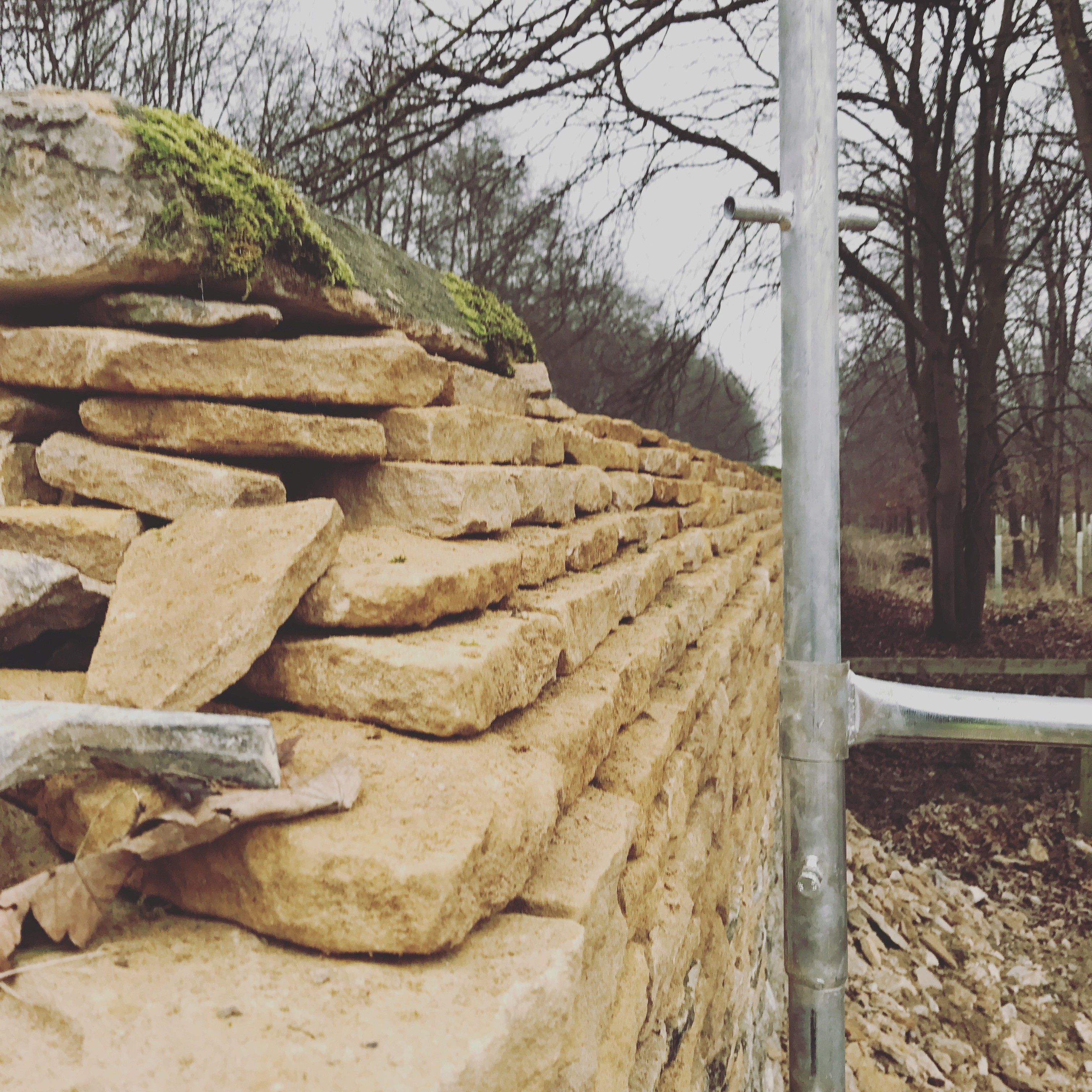
Coping stones do more than finish the top neatly; they add weight and help lock the two faces together. If coping begins to wobble or has gone missing in sections, water gets into the core more freely and the faces can start behaving like two separate thin walls. That’s when bulging and local collapses become far more likely.
Through-stones (long stones spanning the wall width) are another key structural element that’s hard to “spot” unless you know what you’re looking for. When through-stones are absent—or have been removed during past quick fixes—the wall loses internal stitching, and the faces start to creep outward. A good dry stone wall inspection will usually identify whether through-stones are present at regular intervals or if the wall has become a stacked façade.
Gaps opening up after wind, rain, or frost
If you notice fresh gaps after heavy rain, strong winds, or a frost spell, treat that as a timely warning rather than a cosmetic issue. Moisture in the core can lubricate smaller stones and hearting, letting them settle and open voids; when that moisture freezes, it expands and pushes the faces apart. The visible “new gap” is often the end result of internal rearrangement that’s already been happening.
This is why dry stone wall maintenance is as much about managing water and stability as it is about neat stonework. If gaps are appearing in multiple places along a run, dry stone wall repair Gloucestershire may need to focus on drainage and local rebuilding rather than simply “packing” visible holes. Packing can hide the symptom while the wall continues to move behind it.
Clear signs your wall needs attention right now (not next season)
Some warning signs are gentle, but others are telling you the wall is close to failing. If your wall borders a driveway, a public footpath, or a roadside edge—common around villages and lanes in the Cotswolds—waiting can introduce safety and liability issues. In those cases, prompt dry stone wall repair Gloucestershire is less about aesthetics and more about responsible property management.
It’s also worth acknowledging that walls often fail at the least convenient time: after prolonged rain, during winter freeze–thaw, or when the ground is soft and stock pressure increases. If you’re unsure whether your issue is “serious enough,” it’s usually sensible to arrange a dry stone wall inspection and plan the repair while access and weather are workable.
Stones rocking under hand pressure
If you can place a hand on a face stone and feel it rock, the wall has already lost stability in that area. That movement could be due to missing hearting, a slipped footing, or simply an accumulation of small changes over time, but the practical point is the same: the wall is no longer behaving as a tight, interlocked structure. In my experience, rocking stones rarely “settle back in” without intervention.
Once face stones start moving, nearby stones often follow because the load spreads unevenly and the wall starts shedding smaller packing stones. This is where Gloucestershire stone wall repair becomes urgent, because a small unstable patch can unravel surprisingly quickly. A professional will usually dismantle beyond the visibly loose area to rebuild on stable work and avoid a patch that fails again.
Collapsed patches and ‘daylight’ through the core
A collapse doesn’t have to mean a dramatic heap of stone; even a small “missing section” can be the point where water and movement accelerate along the run. If you can see daylight through the wall, that often indicates the core is voided, the hearting has washed or dropped out, and the faces are no longer tied. At that stage, a quick restack of the outer stones rarely solves the problem for long.
This is also where comparing approaches can be useful. Seeing how other contractors discuss remedial work can help clients ask better questions, such as Dry Stone Wall Contractor Stroud, Glos. Regardless of who you appoint, the key is that dry stone wall repair Gloucestershire should restore the wall’s internal structure, not just its outline.
Washed-out foundations and undermined base stones
When the base stones have been undermined—often by water run-off, burrowing, or changes in ground level—the wall can’t carry load properly. You might notice a slight “step” in the line, a gap under a footing stone, or a section that has dropped relative to the rest. These are all signs that the wall is losing its bearing.
On many Cotswold dry stone walls, the most effective fix involves addressing the ground first: regrading, improving drainage, and rebuilding the lowest courses on a stable, prepared base. It’s not glamorous work, but it’s the part that keeps the wall standing for decades rather than a couple of seasons. If you’re assessing a boundary, prioritise base condition before worrying about cosmetic tidy-ups.
Why Gloucestershire walls fail: the most common causes on local sites
Dry stone wall repair Gloucestershire is never one-size-fits-all, because the reasons walls fail vary across the county. A wall on higher, more exposed ground near Stroud may behave differently from a sheltered garden boundary in Cheltenham, and estate walls near Cirencester can face different pressures again. That said, there are repeat offenders that come up on site after site.
Understanding the cause matters because it influences the scope of repair and how you future-proof the work. If the problem is water, you plan around drainage and frost resilience. If the problem is impact or stock pressure, you plan around stronger tie-ins, more through-stones, and better coping. And if vegetation is the culprit, you address the root cause (literally) before rebuilding.
Freeze–thaw and water damage in winter
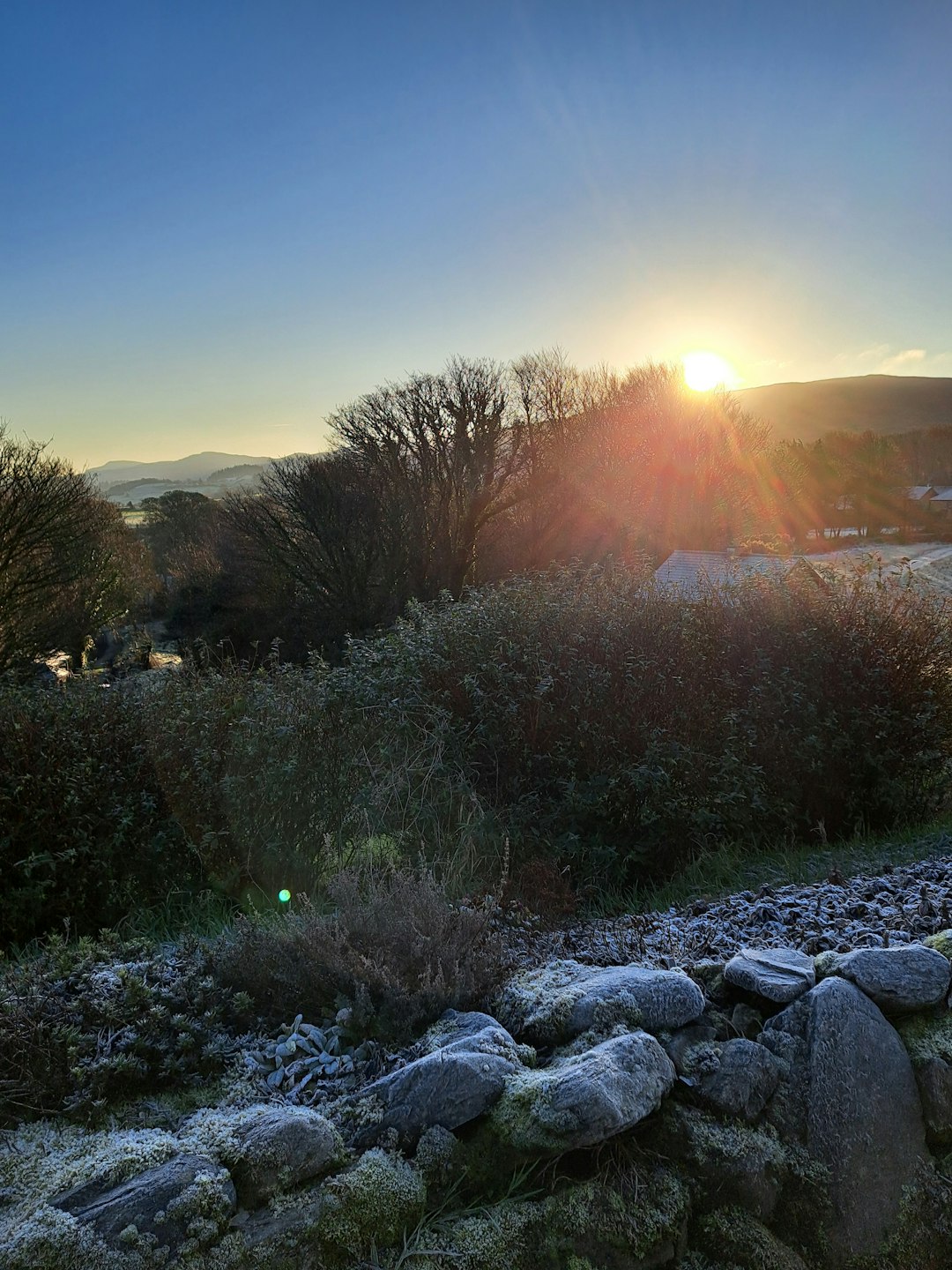
Gloucestershire winters are tough on stonework, especially where water sits at the toe or travels through the core. Moisture freezes, expands, and slowly pushes stones apart, turning minor looseness into bulging and then failure. You’ll often see this on north-facing runs that stay damp longer and in spots where runoff funnels along the wall line.
In practical terms, the best repairs account for water movement: clean foundations, sensible hearting, and stone placement that encourages shedding rather than trapping moisture. Dry stone wall maintenance can also reduce winter damage by keeping drainage paths open and avoiding raised soil levels that bury lower courses. If winter has exposed a weakness, dry stone wall repair Gloucestershire should aim to reset the wall’s stability before the next freeze–thaw cycle.
Stock pressure, machinery knocks, and gateway pinch-points
Walls fail where they’re most used and abused: near gates, farm tracks, driveways, and turning areas. Stock will rub and lean, and even light machinery contact can shift the line enough to start a slow collapse. The damage often begins as subtle movement at coping level and ends with a dropped corner or a section that shears outward.
Gateway pinch-points are especially common across the Cotswolds, where older access ways weren’t designed for modern vehicles. When assessing a wall for Gloucestershire stone wall repair, it’s worth looking for scuff marks, fresh stone chips, or recurring repairs in the same place. If the wall keeps being knocked, the solution may include repositioning, adding protective measures, or strengthening the rebuild detail in that zone.
Tree roots, ivy, and vegetation levering stones apart
Vegetation is deceptively powerful. Ivy can look attractive until it starts behaving like a tightening net, pulling stones outward as it thickens, while roots can lift and shift lower courses in slow motion. Over time, that steady pressure reduces friction between stones and opens pathways for water to enter and wash out hearting.
Local specialists often discuss the realities of wall care in this area—for example Dry Stone Walling in Stroud, Gloucestershire—and the consistent message is that walls and heavy vegetation don’t mix for long. If you’re arranging dry stone wall repair Gloucestershire, plan vegetation control alongside rebuilding so you’re not rebuilding into the same pressure points. Removing growth also makes ongoing dry stone wall inspection far more reliable.
Repairable or ready for a rebuild? A practical decision checklist
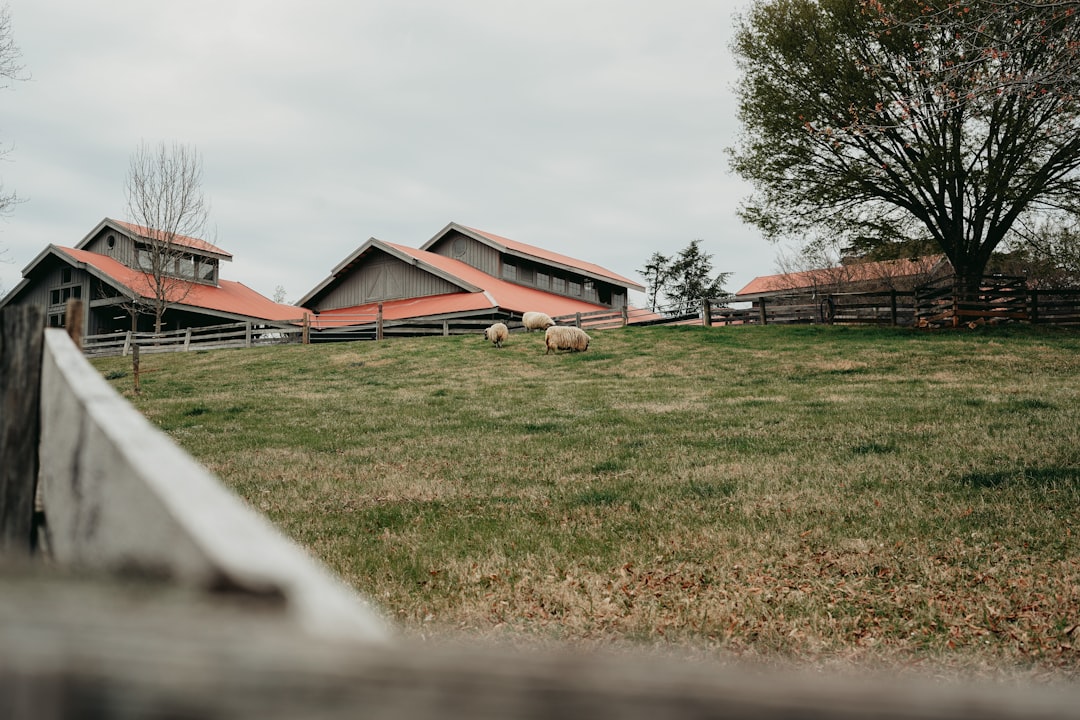
One of the most common questions I hear is whether a wall can be “repaired” or whether it needs to be taken down and rebuilt. The honest answer is that many jobs are a blend: a localised rebuild in the failed area, plus stabilisation and maintenance elsewhere. But making the right call early prevents repeat failures and avoids spending money twice.
For homeowners and estate managers in Gloucestershire, it helps to think in terms of structure, not sentiment. A wall that is visibly leaning might still be repairable if the foundation is sound and the failure is localised. Meanwhile, a wall that looks acceptable can still be a rebuild candidate if it lacks through-stones or has a hollowed core along a long run.
When a localised rebuild is enough
A localised rebuild is often appropriate when failure is limited to a defined section—say 1–5 metres—caused by a specific event such as impact, a fallen limb, or a washed-out toe in one spot. If the adjacent wall is stable, with good batter and consistent stone size, tying in a rebuilt section can be efficient and visually seamless. This is a common approach for garden boundaries and shorter runs around properties in Cheltenham and Tetbury.
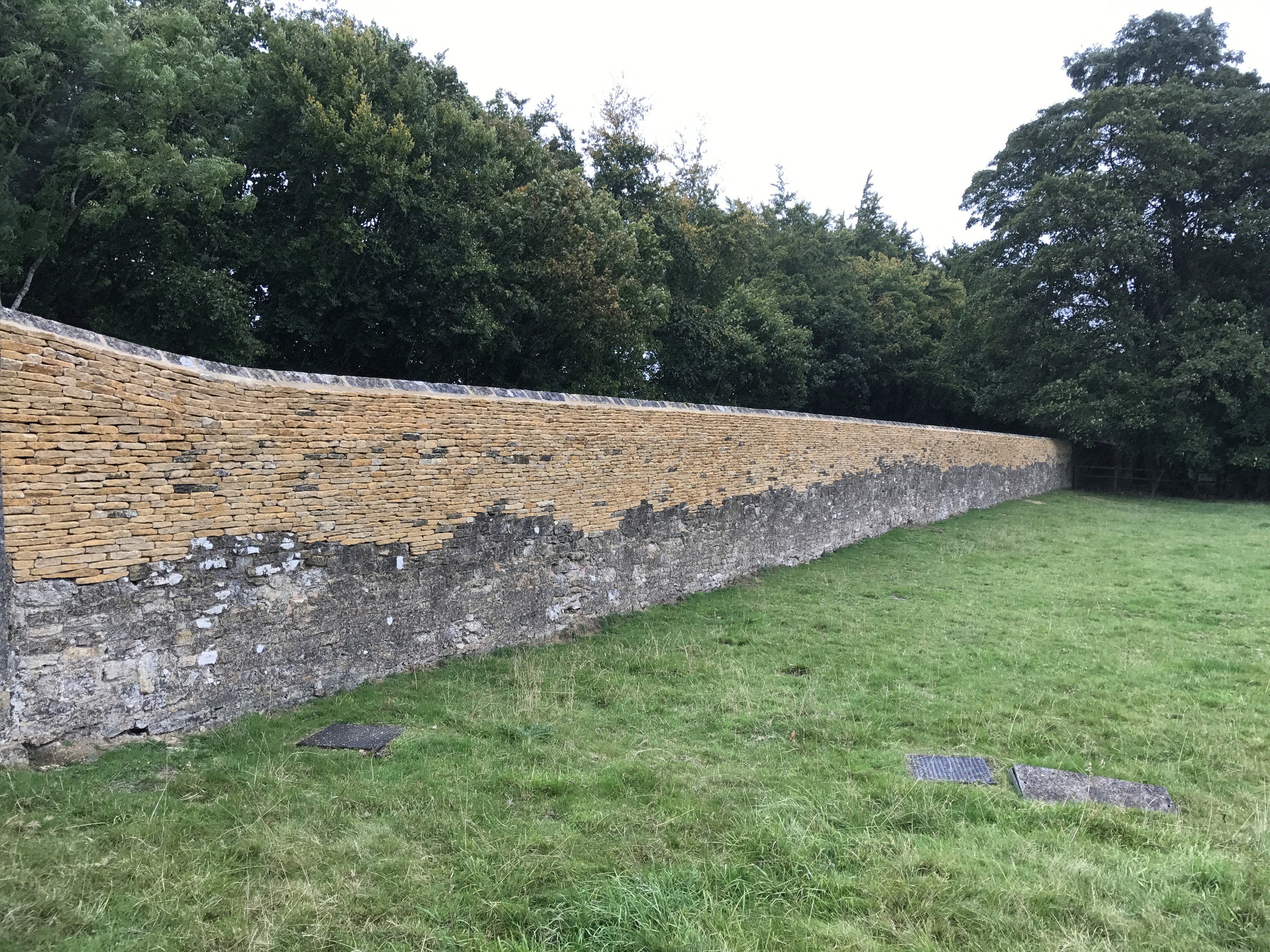
The key is that the rebuild must extend into stable work, not just the visibly collapsed area. I’ve found that the best dry stone wall repair Gloucestershire projects include a little “overlap” dismantling to ensure the new work interlocks properly and doesn’t create a weak joint. A tidy repair should look continuous rather than like a patch stitched onto a separate structure.
When a full take-down and rebuild is smarter
A full rebuild becomes the sensible option when movement is widespread, the wall is significantly out of line, or the internal structure is compromised along long stretches. Common triggers include missing through-stones, chronic bulging, repeated historic patching, or a base that has been undermined in multiple areas. In those cases, rebuilding properly can be more cost-effective than chasing failures year after year.
If you’re weighing up dry stone wall rebuilding, it can be useful to look at craftsmanship-led references and regional stone approaches such as Cotswold Stone Design | Dry Stone. The goal is not simply “new-looking” work, but a structurally coherent wall that respects Cotswold proportions and stands up to local weather. A rebuild also allows for better drainage detailing and a consistent coping approach across the whole length.
What a good wall should look like when finished
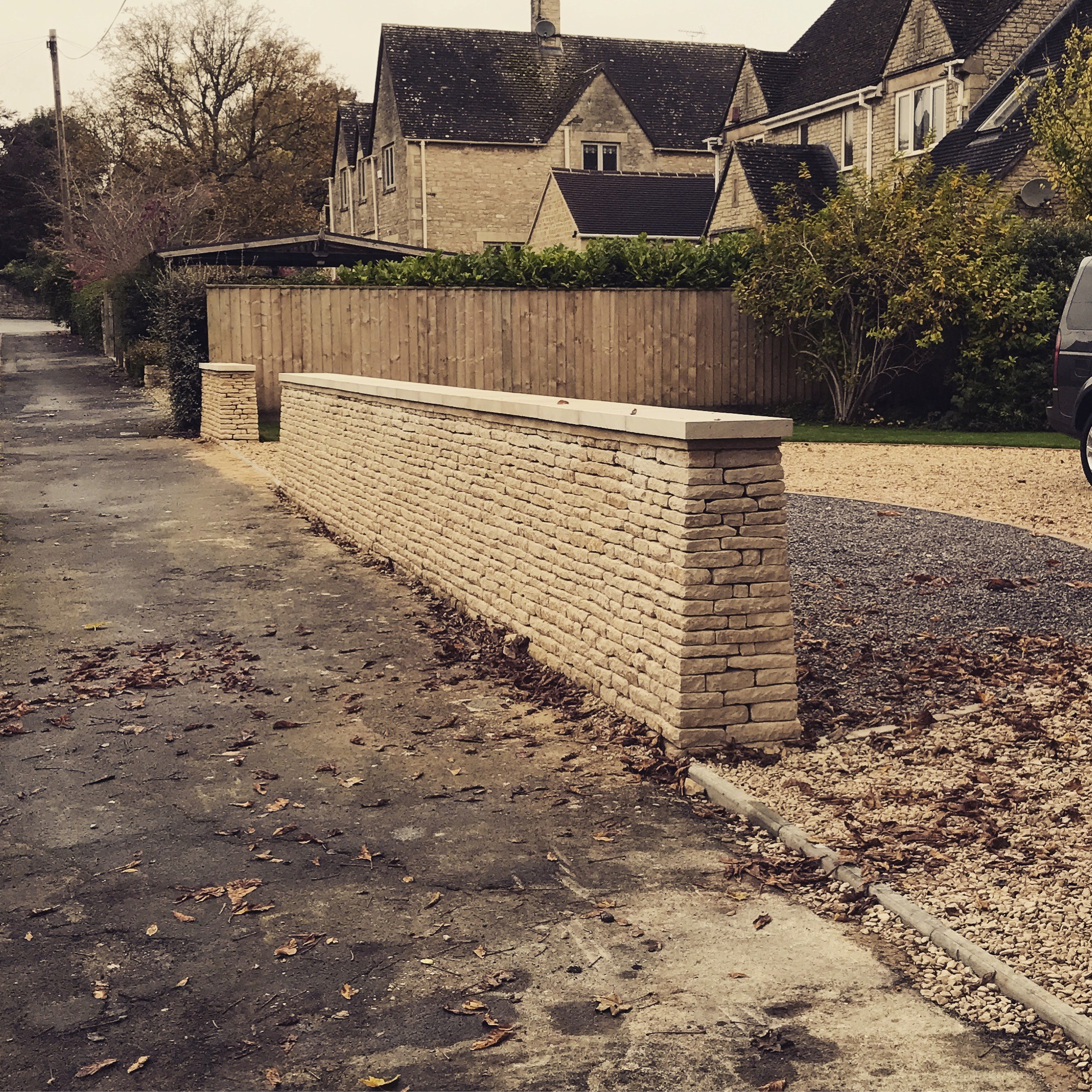
A well-finished dry stone wall should have a consistent batter (the slight inward slope of each face), a tight face with well-seated stones, and a top line that reads as deliberate rather than wavy. You should see regular through-stones tying the wall, and coping that sits firmly without rocking. The wall should look “quiet,” meaning it doesn’t draw attention through bumps, hollows, or awkward stacking.
From a practical perspective, a good repair or rebuild also leaves the wall stable immediately, not dependent on “settling in.” That stability comes from correct stone selection, proper hearting, and disciplined coursing. When dry stone wall repair Gloucestershire is done properly, the wall feels solid under hand pressure and sheds water rather than collecting it in voids.
What a proper repair involves (and what corners look like when cut)
Dry stone wall repair Gloucestershire sits somewhere between craft and engineering. The stones are your structure, your finish, and your weather protection—so shortcuts tend to show up quickly. If you’ve inherited a wall that’s been “patched” repeatedly, you’ll often see the same patterns: face stones stacked without interlock, a hollow core, minimal through-stones, and coping placed for appearance rather than stability.
For an overview of why these walls matter to the wider landscape, Dry stone walls provides useful context. On the ground, though, the difference between a lasting repair and a short-lived fix comes down to method and patience.
Reusing stone correctly: sorting, batter, and coursing
A proper repair starts with sorting stone, not stacking whatever is closest to hand. Larger stones typically belong at the base and in structural positions, while smaller pieces support coursing and hearting. Sorting speeds up the build and improves the finished wall because you’re placing stones intentionally, rather than forcing awkward shapes into gaps.
Maintaining batter is another non-negotiable detail. If the face is built too vertical, the wall becomes less stable and more likely to bulge; too much batter, and you lose width and structural consistency. Correct coursing—using stones that sit naturally and bed well—keeps the wall strong and gives Cotswold dry stone walls their characteristic, tidy rhythm.
Getting the hearting and through-stones right
Hearting is the internal packing that stops the faces collapsing inward and prevents stones from rocking. When corners are cut, hearting is either missing, too loose, or replaced with soil and rubble that washes out over time. Proper hearting is built in layers, firmly packed, and chosen to lock stones rather than act as loose fill.
Through-stones are the structural stitches that tie faces together. If a wall lacks through-stones at sensible intervals, the faces can separate and bulge even if the wall “looks fine” right after a repair. A good dry stone wall inspection will note through-stone placement, because it’s often the difference between a repair lasting 5 years versus 25 years in Gloucestershire conditions.
Coping, tie-ins, and leaving the wall stable from day one
Coping stones should be selected for weight, length, and stability. Cutting corners often looks like thin coping perched on small stones, or coping that bridges voids rather than compressing a well-packed top course. Proper coping locks the top together and sheds water away from the core, which is critical for long-term durability.
Tie-ins—where new work meets old—are another area where quality is easy to judge. A correct tie-in interlocks stones and maintains the wall’s line and batter; a poor one creates a visible seam and a weak point that opens with the first seasonal movement. When dry stone wall repair Gloucestershire is done professionally, the wall should feel stable immediately, with no reliance on “it’ll settle” explanations.
How long dry stone wall repairs take in Gloucestershire (realistic timelines)
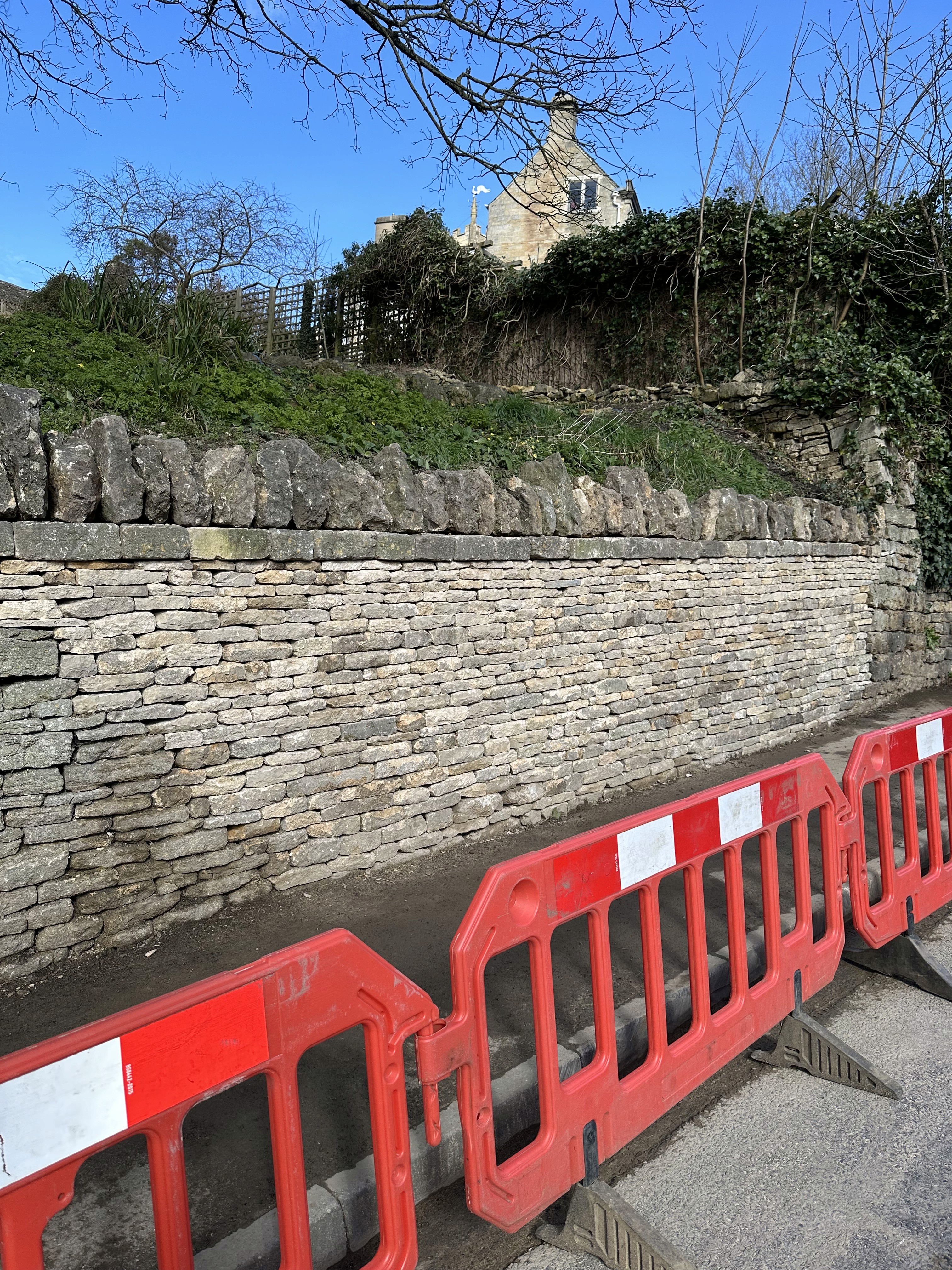
Timelines matter, particularly when a wall affects access, livestock control, or the appearance of a property being renovated. The reality is that dry stone wall repair Gloucestershire is weather- and access-dependent, and the correct pace is often slower than people expect. Good walling is methodical: dismantling, sorting, rebuilding properly, and finishing with stable coping.
It’s also worth noting that “fast” can be a false economy. A rushed job often shows up later as rocking stones, face movement, and recurring repairs in the same area. For a sense of traditional working pace and the craft behind it, you’ll see a similar emphasis at Dry Stone Walling | Built |, where build quality is clearly prioritised over speed.
Typical daily output and what affects progress
Daily output varies depending on wall height, stone type, and how much dismantling is required, but a realistic range is often measured in a few metres per day rather than tens of metres. If the wall has to be taken down, sorted, and rebuilt to match existing work, time goes into preparation as much as stacking. Complex areas—corners, gateways, retaining sections—slow the pace because they demand more structural care.
In my experience, the biggest factor is stone quality and consistency. If the original stone is reusable and well-sized, rebuilding is more efficient and the finish looks more coherent. If stone has been lost, buried, or replaced with unsuitable pieces over the years, dry stone wall repair Gloucestershire can take longer because sourcing, shaping, and selection become part of the job.
Access, stone availability, and weather delays
Access is often underestimated. If the wall is on a narrow lane, behind a terraced garden, or across soft ground, moving stone and materials becomes a project in itself. Even on straightforward sites, keeping stone organised and close to the working line affects productivity and reduces the temptation to “make do” with the wrong pieces.
Weather is the other reality. Heavy rain saturates ground and can destabilise freshly rebuilt sections if the toe becomes waterlogged, while hard frost makes working conditions difficult and can affect safety. Planning dry stone wall repair Gloucestershire around seasonal windows—especially for longer runs—often leads to better results and fewer interruptions.
Minimising disruption around stock, footpaths, and driveways
If the wall is livestock containment, the repair plan needs a practical sequence: temporary fencing, staged rebuilding, and secure handover points. Leaving gaps “overnight” without a plan can create avoidable problems, particularly on working land. Contractors experienced with rural Gloucestershire projects will typically discuss these logistics early, rather than improvising on the day.
For domestic properties, disruption is often about access and appearance. A well-run repair keeps stone tidy, maintains safe pathways, and coordinates around driveways and deliveries. When dry stone wall repair Gloucestershire is scheduled properly, you can usually keep a property functioning normally, even while substantial work is underway.
Hidden damage you can’t see from the path: smarter inspection options
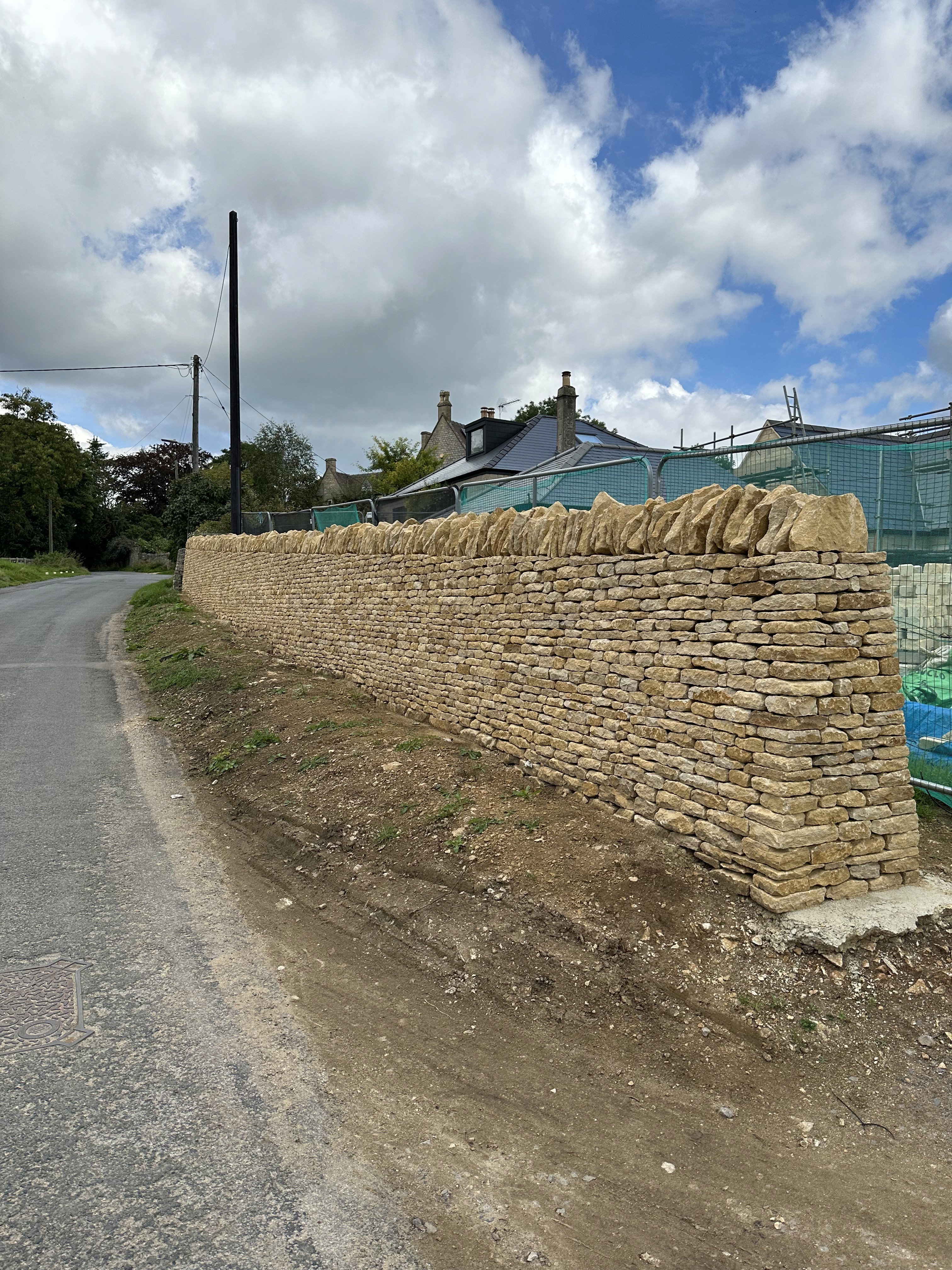
One of the frustrations with dry stone walls is that the worst issues can be subtle until they’re suddenly not. A wall can look “mostly fine” from the driveway yet be slowly opening along its length, especially if the core has washed out or the foundations are soft in multiple areas. That’s why a structured dry stone wall inspection is often the best starting point, particularly for long boundaries and estate walls.
When you’re dealing with extensive runs across Gloucestershire and into Oxfordshire, inspections also help prioritise. Instead of treating everything as urgent (or ignoring everything until a collapse), you can identify which sections need immediate dry stone wall repair Gloucestershire and which sections need monitoring and maintenance.
Spotting subtle movement patterns along long runs
Subtle movement is easier to see when you know what to look for: repeated bulges at similar intervals, a slight “wave” in the top line, or small openings that appear consistently on one face. These patterns often point to a shared cause, such as poor drainage along a stretch or repeated stock pressure at certain points. If multiple areas show the same symptom, a local patch may not be enough.
I’ve found it helpful to walk a wall in both directions and view it from different distances. Up close you notice rocking stones and voids; from further back you see line, batter, and consistency. This kind of methodical dry stone wall inspection can prevent reactive repairs and help you plan a more efficient programme of Gloucestershire stone wall repair over time.
After storms: what to check within 48 hours
After high winds and heavy rain, the best approach is a quick check within 48 hours, before minor movement becomes a progressive collapse. Look for freshly dislodged coping, new gaps, fallen hearting stones at the base, and soft ground that suggests washout under the footing. Also pay attention to trees and branches that may have struck the wall or changed load on nearby roots.
It’s worth being cautious around unstable sections, especially if the wall borders a footpath or road. If anything has visibly shifted, it’s typically safer to cordon the area and arrange dry stone wall repair Gloucestershire promptly rather than trying to “push it back.” Dry stone walls rely on interlock; once that interlock is disturbed, the wall can move more than expected.
When a drone survey helps map issues fast
Drone surveys are particularly useful when walls run across large properties, drop into steep ground, or sit behind vegetation where access is difficult. A drone can capture high-resolution imagery along long boundaries quickly, helping to identify bulges, collapsed sections, and drainage issues that aren’t obvious from a single viewpoint. It’s also useful for pre-works records, especially where boundaries and responsibilities may be shared.
For estate-style boundaries, it can be helpful to reference broader restoration thinking such as Dry Stone Walls – Estate Boundaries, where long-run planning is often central. At Barron’s Building Services, this ties directly into professional site assessment and Dronesurveys that support accurate scoping for dry stone wall repair Gloucestershire before any stone is moved.
Why professional repair saves money over ‘quick fixes’
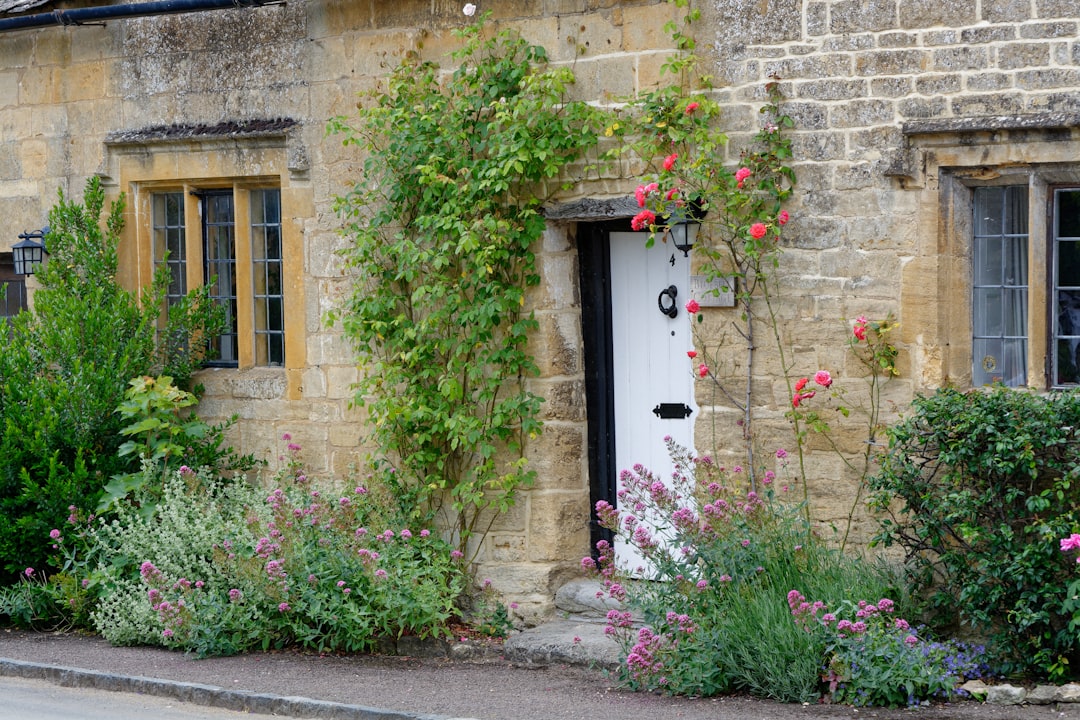
It’s tempting to treat a dry stone wall like a simple stack that can be “topped up” whenever it slumps. The issue is that quick fixes usually address the visible face while ignoring the structural reason the wall moved in the first place. Over time, that pattern becomes expensive: repeated call-outs, repeated collapses, and eventually a larger section that needs dry stone wall rebuilding anyway.
Professional dry stone wall repair Gloucestershire is fundamentally about reducing repeat interventions. Done correctly, it restores the wall’s internal integrity, protects it against water-driven movement, and ensures the repaired area behaves like the original wall rather than like a patch that moves independently. The cost benefit often shows up over years, not weeks—especially on prominent boundaries around period homes.
Structural stability and longer intervals between repairs
A properly repaired wall is stable from the core outward: well-seated base stones, disciplined face selection, properly packed hearting, and regular through-stones. That combination increases friction, improves load transfer, and reduces the likelihood of seasonal movement becoming a failure. In practical terms, it means you’re not constantly readdressing the same weak spot.
From a maintenance planning standpoint, the value is predictability. Instead of budgeting for frequent emergency repairs, you can focus on routine dry stone wall maintenance and occasional localised rebuilds where needed. For property owners managing multiple boundaries, that structured approach to dry stone wall repair Gloucestershire can make long-term costs far more controllable.
Matching stone and maintaining local character (Cotswold look)
In the Cotswolds, walls are part of the architecture of the landscape, not just boundary markers. Repairs that use mismatched stone, inconsistent coursing, or incorrect coping stand out immediately and can detract from an otherwise high-quality renovation or landscape scheme. Matching stone is also more than appearance; stone size and shape affect how well the wall locks together.
Professional Gloucestershire stone wall repair should respect local walling styles and the practicalities of Cotswold limestone. That’s also where an experienced contractor adds value across related work—such as Stone Masonry and Landscaping—so repaired walls sit naturally alongside terraces, steps, and garden structures rather than looking like an afterthought.
Safety, insurance, and working near roads or public rights of way
Walls near roads, bridleways, and footpaths carry a different level of risk. A leaning section that might be tolerable in a private field becomes a safety concern when pedestrians, cyclists, or vehicles are close. In those cases, professional dry stone wall repair Gloucestershire is often the responsible option because it ensures stability, safe site setup, and appropriate sequencing.
There’s also the practical matter of documentation and accountability, particularly for larger properties and estates. Clear scoping, sensible risk management, and a professional standard of work reduce the chance of future disputes if a wall fails again. If you’re unsure how to approach responsibilities and standards, the resources on Faqs can be a useful starting point before arranging a site visit.
Maintenance habits that keep a repaired wall standing for decades
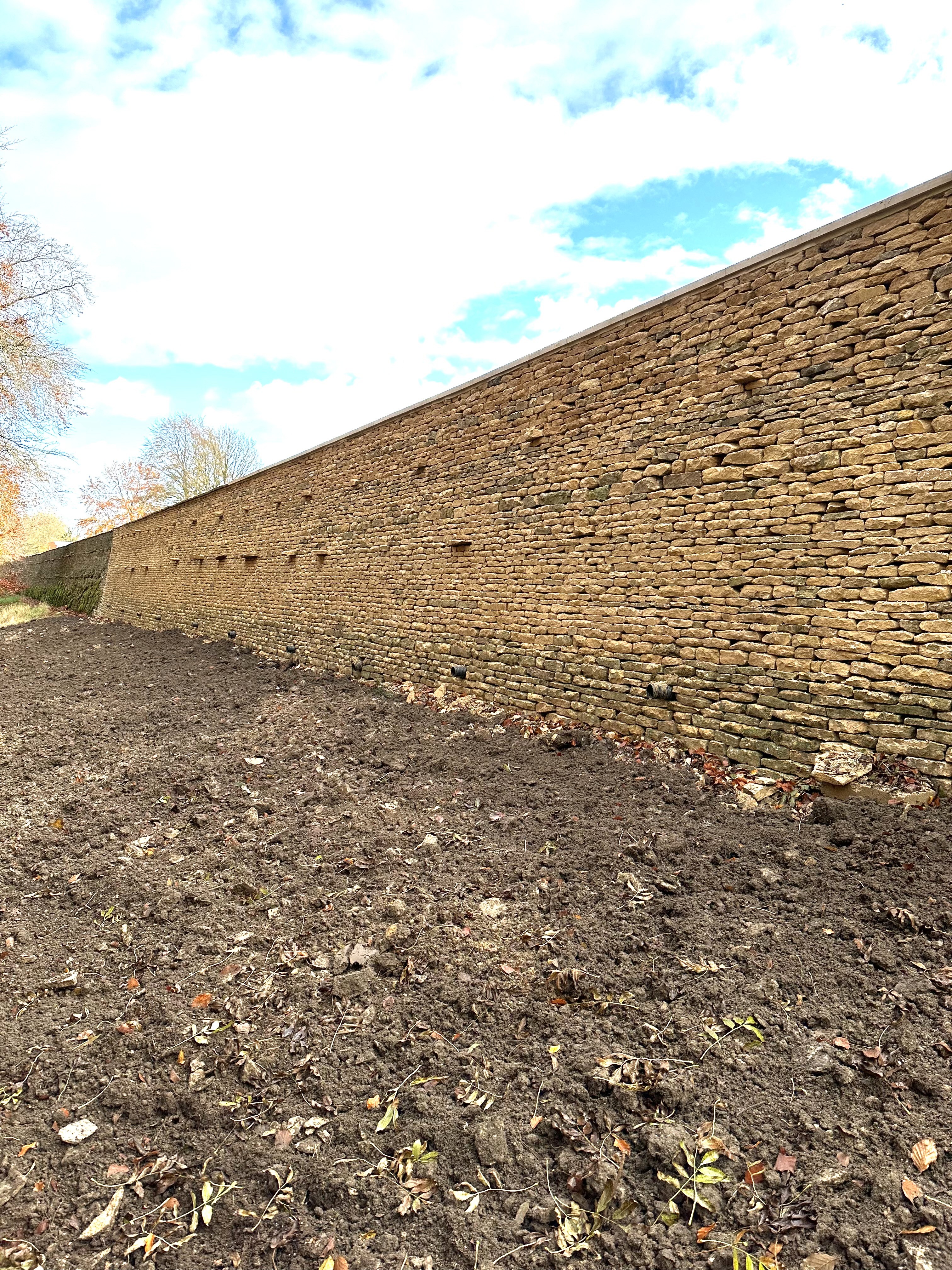
Once a wall has been repaired properly, the goal is to keep it out of the “repair cycle” for as long as possible. That doesn’t mean constant attention—it means a few practical habits that prevent water damage, reduce movement, and stop small issues from becoming major failures. In Gloucestershire, these habits matter because wet winters and heavy vegetation growth can undo good work if left unchecked.
Dry stone wall maintenance is also one of the most cost-effective things you can do for rural and period properties. A short annual walkover can often identify early movement, drainage changes, and vegetation issues before they trigger another round of dry stone wall repair Gloucestershire. Think of it as routine stewardship rather than a major project.
Drainage and ground levels: stop water sitting at the toe
Water sitting at the toe is one of the biggest long-term threats to a dry stone wall. Raised soil levels, blocked ditches, or new landscaping that directs runoff toward the wall can saturate foundations and encourage settlement. The fix is often simple: regrade slightly, open a drainage path, or ensure water sheds away rather than collecting along the base.
I always recommend checking ground levels after garden works, driveway changes, or new planting. Even a small change in fall can redirect water and start a slow failure that only becomes visible months later. Keeping the toe dry reduces the need for repeat dry stone wall repair Gloucestershire and helps preserve the stability of repaired sections.
Vegetation control without destabilising the face
Vegetation management needs a careful approach. Pulling ivy aggressively can dislodge stones, especially if the wall already has loose sections, while cutting roots too close to the wall can leave voids that encourage settlement. A controlled plan—cut back, monitor movement, and rebuild where necessary—is typically safer than a single dramatic clearance.
As a rule, keep heavy growth off the coping and faces, and avoid allowing shrubs to establish right at the base where roots can lift stones. If you’re uncertain, it’s worth arranging a dry stone wall inspection before extensive clearance, particularly on older Cotswold dry stone walls. It’s far cheaper to remove vegetation carefully than to pay for avoidable dry stone wall rebuilding later.
A simple yearly walkover checklist
A yearly walkover doesn’t need specialist tools; it needs consistency. Pick a date—often early spring works well after winter weather—and walk the full length, checking the same things each time. Look for new bulges, rocking coping, gaps that weren’t there previously, and any signs of water washout at the base.
For scannability, here’s a practical checklist you can keep on file:
Line and batter: sight along the wall for new bows or leaning.
Coping: check for wobble, missing stones, or open joints.
Faces: press-test suspect stones carefully (don’t force anything).
Base: look for soft ground, voids, erosion channels, or undercut stones.
Vegetation: note new growth on the wall and root-heavy plants at the toe.
These notes make later conversations about dry stone wall repair Gloucestershire much more efficient, because you can describe change over time rather than a single snapshot.
What people often wonder about dry stone wall repair in Gloucestershire
Even clients who appreciate traditional craftsmanship often have very practical questions—about cost, permissions, boundaries, and whether a wall can be “saved” without major disruption. The best outcomes usually come from aligning expectations early, because dry stone wall repair Gloucestershire can range from a half-day stabilisation to a multi-week programme across long boundaries.
At Barron’s Building Services, these conversations typically sit alongside broader project planning, especially where wall repairs are part of wider renovation, landscaping, or access changes. You can also explore background information about the team and approach via About Us, which is useful context when you’re choosing a contractor for heritage-style work.
Can a leaning wall be straightened without rebuilding?
Sometimes, but it depends on why the wall is leaning and how far movement has progressed. If the foundation is sound and the lean is localised, a controlled dismantle-and-rebuild of the affected section can bring the line back without taking down the full run. However, pushing a wall back into place without rebuilding is rarely effective because the interlock that held it has already failed.
A professional dry stone wall inspection will usually identify whether the lean is a symptom of base settlement, core voiding, or missing through-stones. If the cause is widespread, a longer rebuild may be the smarter long-term answer than repeated partial interventions. That’s often where dry stone wall repair Gloucestershire overlaps with dry stone wall rebuilding decisions.
Do you need planning permission or listed-building consent?
Many repairs to existing dry stone walls are treated as maintenance, but there are important exceptions—particularly for listed properties, conservation areas, and walls that form part of a historic setting. If you’re altering height, changing alignment, or rebuilding substantial sections, it’s sensible to check with the local planning authority. For boundary walls adjacent to highways, there may also be visibility and safety considerations.
For projects where walls sit alongside wider work—such as Extensions or major landscaping—permissions can become more relevant because the overall site changes affect drainage, access, and heritage impact. If you’re unsure, document the current wall and seek advice early rather than after work has started.
How to handle boundary walls and shared responsibilities
Boundary responsibility can be straightforward or surprisingly complex, especially on older properties where deeds are unclear and the wall line has existed for generations. If a wall is shared, it’s usually best to communicate early with neighbours, agree scope, and confirm access arrangements before repairs begin. Shared planning reduces delays and helps avoid disputes if the work requires temporary access on both sides.
In practice, a clear record helps. Photos, measured lengths, and a note of where failure is occurring can support a calm discussion. If the wall borders a right of way, it’s also wise to consider temporary safety measures while arranging dry stone wall repair Gloucestershire, because public access increases the importance of prompt and well-managed work.
Next steps: get your wall assessed and lock in a repair plan
If you’ve recognised any of the warning signs above—bulging, rocking stones, missing coping, washout at the base—the most sensible next step is an assessment that confirms cause, scope, and priorities. Dry stone wall repair Gloucestershire is much easier to plan when you have clear information, and it’s typically more cost-effective to fix an emerging problem than to wait for a full collapse.
For property owners across Cheltenham, Stroud, Tetbury, Cirencester, Gloucester and the wider Cotswolds, having a structured plan also helps align wall repairs with other works, such as landscaping, access changes, or renovation timelines. Barron’s Building Services covers these areas routinely—see Areas We Cover for the full service area.
What to photograph and measure before you call
A small amount of preparation makes your first conversation far more productive. Take clear photos along the run (both directions), close-ups of problem areas, and at least one image that shows the wall in its setting—near gates, driveways, trees, or changes in ground level. If safe to do so, capture any bulges or leaning by photographing along the wall line rather than straight-on.
Measurements are equally helpful: approximate length affected, wall height, and any areas where stone is missing or piled nearby. Note recent events such as storms, flooding, impact, or vegetation removal, because these details often explain why movement has accelerated. This information helps a contractor anticipate whether the job is likely to be local dry stone wall repair Gloucestershire or whether dry stone wall rebuilding may be required in sections.
Book an on-site assessment or drone inspection
An on-site assessment is usually the best way to confirm what’s happening inside the wall and at the foundation. It allows a professional to check stability, identify missing through-stones, review drainage, and discuss access and sequencing. For longer boundaries or hard-to-reach areas, a drone inspection can quickly map the condition and help prioritise repairs without days of initial walking and guesswork.
To understand the full range of support available, you can review Services and the main site at barronsbuildingservices.com. If you’re ready to discuss a specific wall, the most direct route is to share your photos and arrange a visit via Contact.
Internal links: Main Dry Stone Walling service + Drone Surveys
If your priority is a boundary repair, start with Drystonewalling, which outlines approach, craftsmanship standards, and how walling fits into wider site work. For larger properties, complex access, or where you want a fast overview before committing to a full programme, Dronesurveys can support a clearer scope and help you plan repairs logically.
Most importantly, treat the early warning signs as an opportunity. When dry stone wall repair Gloucestershire is planned and executed properly—addressing foundations, hearting, through-stones, and coping—the wall returns to doing what it was always meant to do: sit quietly in the landscape, strong, tidy, and dependable for the long term.
For any inquiries or to explore your vision further, we invite you to contact our professional team.