
Best Dry Stone Wallers in the Cotswolds: Why Us
What Makes a Cotswold Dry Stone Wall Truly “Right”
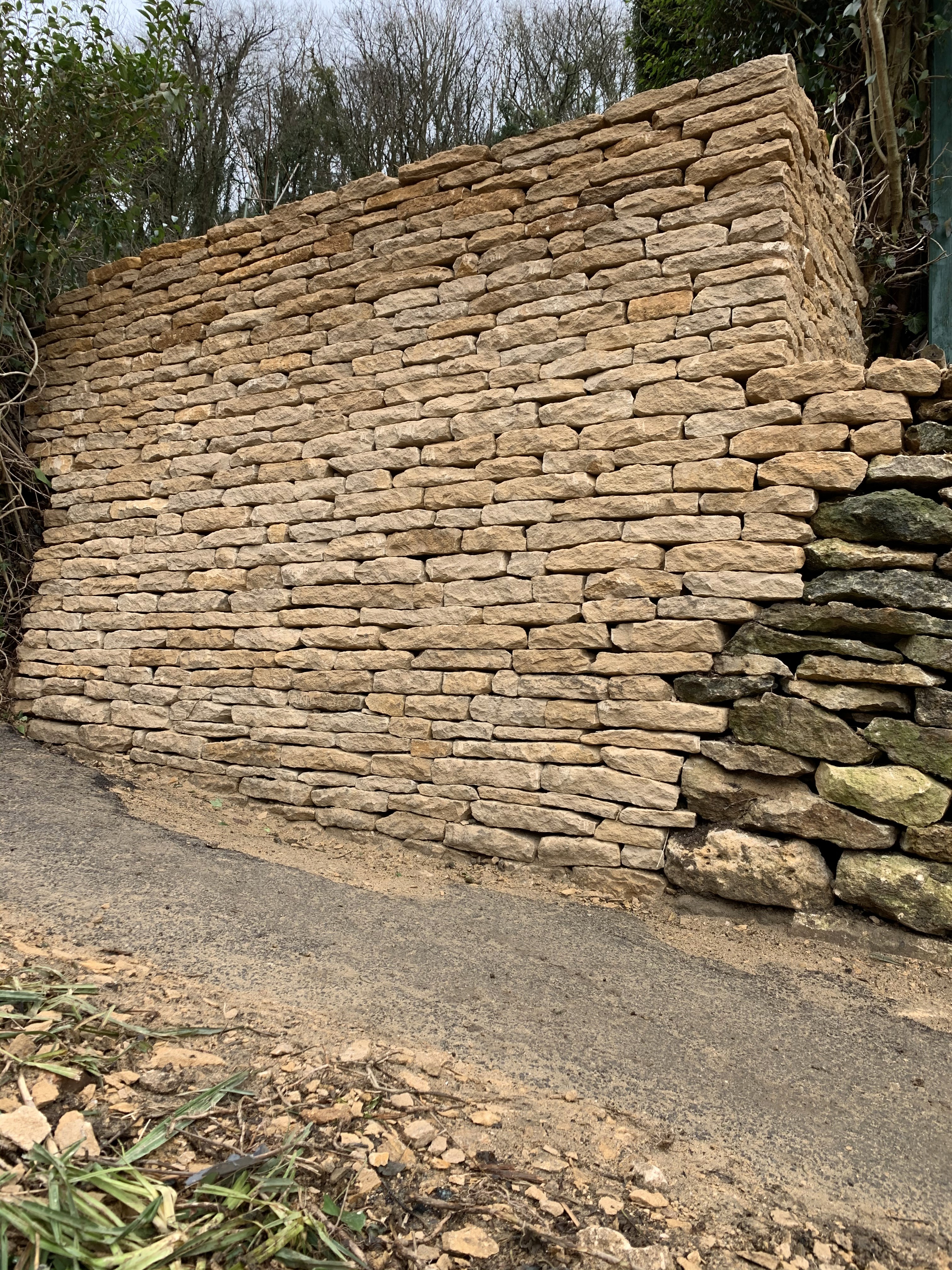
A proper Cotswold dry stone wall has a look and feel that’s hard to fake. When it’s built well, it sits naturally in the landscape, the lines read clean from a distance, and it feels solid under your hand without looking over-engineered. When it’s built badly, you can usually spot it straight away: faces that are too “pretty,” a profile that’s too vertical, or a top that looks like it’s perched rather than locked in.
The difference between stacked stone and real walling
Stacked stone is often just that: stones piled to look tidy, with little structural thought behind them. Real walling is a system—two faces, a compacted core, and deliberate locking stones that tie everything together so the wall behaves as one unit over time. If you’re comparing the best dry stone wallers in the Cotswolds, this is the first distinction to look for on site.
Why Cotswold limestone behaves differently
Cotswold limestone is beautiful, but it has its own habits: bedding planes, natural lamination, and weathering patterns that change how stone wants to sit. Laid the wrong way, it can delaminate, loosen, or shed small flakes, especially after repeated freeze-thaw cycles. In my experience, the best dry stone wallers in the Cotswolds treat stone orientation as a structural decision, not an aesthetic afterthought.
How good walling prevents bulges and collapses
Most failures start quietly—small voids, a slightly soft footing, or a face that isn’t tied back—then develop into bulges, leaning, and sudden collapse after heavy rain or winter frost. Good walling uses a controlled batter, proper hearting, and regular tying so loads are carried down into the base rather than pushing faces outward. If you’re researching local specialists such as Dry Stone Walling in Stroud, Gloucestershire, it’s worth asking how they manage batter, tying, and base width on your specific site.
At Barron’s Building Services, we approach every wall as a long-term structure first and a landscape feature second—because, done properly, it becomes both. That’s a big part of why clients looking for the best dry stone wallers in the Cotswolds end up valuing method and detail as much as the finished look.
Built for the Cotswolds: Local Stone, Local Style, Local Know‑How
The Cotswolds isn’t one uniform backdrop. Stone colour shifts from honey to grey, wall heights vary by area, and the land itself ranges from gentle slopes to steep banks and exposed ridges. The best dry stone wallers in the Cotswolds don’t just “build a wall”; they build a wall that belongs exactly where it’s going—visually, structurally, and practically.
Matching stone type, colour, and weathering
Even within Gloucestershire, reclaimed Cotswold stone can vary noticeably in tone and texture, and new stone often arrives brighter until it weathers in. We’ll talk through whether to reuse existing wall stone, bring in matching reclaimed, or introduce carefully selected new material in a way that won’t look patchy. If you want a sense of local dry stone character and stone choices, Cotswold Dry Stone Wall - Drystone is a useful reference point for the wider regional context.
Reading the landscape: slopes, drainage, and frost
On sloping ground, the wall’s job is rarely just to “stand there”—it may be retaining soil, guiding runoff, or resisting downhill creep over time. Drainage and footing preparation matter as much as the face stones you can see, particularly where frost can lift or disturb poorly bedded stone. For dry stone walling Stroud and hillside areas nearby, we plan base width, batter, and step-ups so the wall remains stable through wet winters.
Respecting local walling character in villages and farms
Village boundary walls often have a different rhythm and finish compared with agricultural field walls, and estate walls can be more formal again. We pay attention to coping style, course height, and how corners and returns are traditionally handled, so new work doesn’t look imported from somewhere else. This “fit” is a key reason clients who want the best dry stone wallers in the Cotswolds choose craftspeople who know the area rather than a generic contractor.
For a broader view of our work across building and stonework, our main site barronsbuildingservices.com gives a clear sense of the standards we aim to maintain on every job.
Our Craft Standards: The Details Most People Never Notice (But Always Feel)
Some of the most important parts of a dry stone wall are the parts you don’t really see once the job is finished. That’s also where shortcuts hide. When people search for the best dry stone wallers in the Cotswolds, they’re often trying to separate “looks good today” from “stays sound for years.” Our standards focus on the structure, not just the face.
Foundations and footings that don’t wash out
A wall is only as reliable as its footing, especially on sites with soft verges, hidden springs, or heavy runoff after storms. We aim for a stable, well-seated base with appropriate depth and width, and we avoid leaving organic material underneath that will rot and create voids. In practice, this is one of the biggest differences between lasting work and walls that start moving within a couple of winters.
Through-stones, hearting, and tight coursing
Through-stones act like structural stitches, tying both faces together so they don’t drift apart over time. We also pay close attention to hearting—using smaller stones to pack the core tightly rather than leaving empty pockets that later become movement points. If you’re comparing suppliers and local availability, Dry Stone Walling Suppliers Gloucestershire provides a helpful view of the materials side of the trade.
Coping choices: flat, upright, and regional variations
Coping is the wall’s weather coat: it sheds water and helps lock the top course together, but it also sets the visual “signature” of the wall. In the Cotswolds you’ll see both flat copes and more upright styles, with local preferences depending on exposure and tradition. We’ll recommend a coping approach that suits your wall’s purpose—boundary, retaining, or garden feature—without forcing a one-style-fits-all finish.
If you’re looking at the best dry stone wallers in the Cotswolds, ask to see examples of their coping and their cross-section approach. A good contractor won’t be vague about what’s inside the wall, because that’s where the strength comes from.
Repairs That Last: When to Rebuild, When to Pin, When to Reface
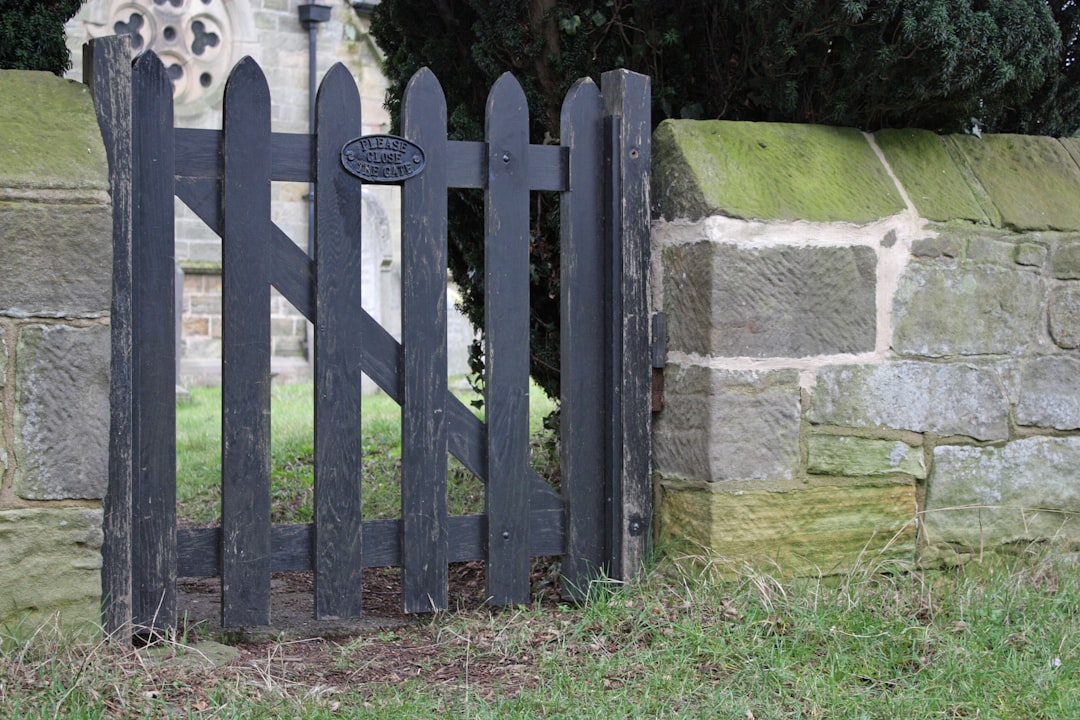
Repair work is where experience really shows. A quick tidy-up can look fine for a season, but if the underlying cause isn’t addressed—movement, water, weak base, poor core—the same section will fail again. We’re often called out for Cotswold stone wall repair after “cosmetic fixes” haven’t held, and it’s usually because the wrong repair method was chosen.
Diagnosing movement: bulges, voids, and leaning
Bulges typically point to internal voids, poor tying, or a base that has softened and allowed the wall to spread. Leaning can be downhill creep, root pressure, or repeated impacts from livestock or machinery along a track. We start by identifying the type and cause of movement, because the repair should remove the cause, not simply re-stack what’s visible.
Salvaging and reusing original stone properly
Reusing original stone is often the best way to preserve character and keep a repair visually quiet, but it needs handling carefully. We’ll sort and set aside the best face stones, separate core material, and reuse coping where it’s sound, rather than mixing everything together and hoping it works out. For clients seeking the best dry stone wallers in the Cotswolds, this careful salvage approach is a strong indicator of quality.
Blending new work so repairs don’t shout
Sometimes you need supplementary stone—particularly if earlier work removed through-stones or if sections have been carted away over time. The aim is to blend new material with the existing by matching size, colour, and surface texture, while still building to current structural best practice. If you’d like background on why professional methods matter, we cover the principles here: Why Hire a Dry Stone Waller.
We also make a point of explaining what we’re recommending and why. Clear repair scope—rebuild versus partial pinning—helps clients budget sensibly and avoid repeat call-outs, especially across dry stone walling Gloucester and surrounding villages where walls often sit on older, variable ground.
Stroud, Minchinhampton, Nailsworth: Walls That Handle Hills and Weather
This part of Gloucestershire has some of the most rewarding landscapes—and some of the most demanding walling conditions. Between steep banks, fast runoff, and exposed weather, walls need to be built with the land in mind. For homeowners and estates seeking the best dry stone wallers in the Cotswolds, it’s worth choosing a team that understands these micro-conditions rather than treating every site the same.
Dealing with steep banks and runoff
On steep ground, water doesn’t politely soak in—it runs, and it takes fines and support material with it if the base isn’t prepared properly. We step walls to follow the contour, maintain a stable batter, and make sure the footing is keyed in so it resists downhill movement. This approach is especially relevant to dry stone walling Stroud, where topography can change quickly from one property boundary to the next.
Managing tree roots, livestock pressure, and gateways
Tree roots can push faces outward and create voids beneath sections of wall, while livestock often test the strength of corners and gateway returns. We reinforce vulnerable areas with sound tying and proper end construction, and we’ll advise on practical measures like re-positioning a gateway edge if repeated impacts are unavoidable. Around dry stone walling Minchinhampton projects, these details matter because walls often interact with tracks, paddocks, and mature tree lines.
Preventing water traps that cause winter failures
Water trapped inside a wall is one of the most common triggers for winter collapse, particularly when freeze-thaw forces start to prise stones apart. We avoid building “bowls” within the core and pay close attention to how adjacent ground levels fall away, so water has somewhere to go. For a local view on contracting in the Stroud area, Dry Stone Wall Contractor Stroud, Glos is another example of how specialised this work can be.
When done well, walls in hilly areas don’t just survive—they look settled and confident, even after harsh weather. That’s a standard we work hard to maintain for clients who expect the best dry stone wallers in the Cotswolds to deliver more than a neat face.
Gloucester to Tetbury: The Common Mistakes We’re Usually Called to Fix
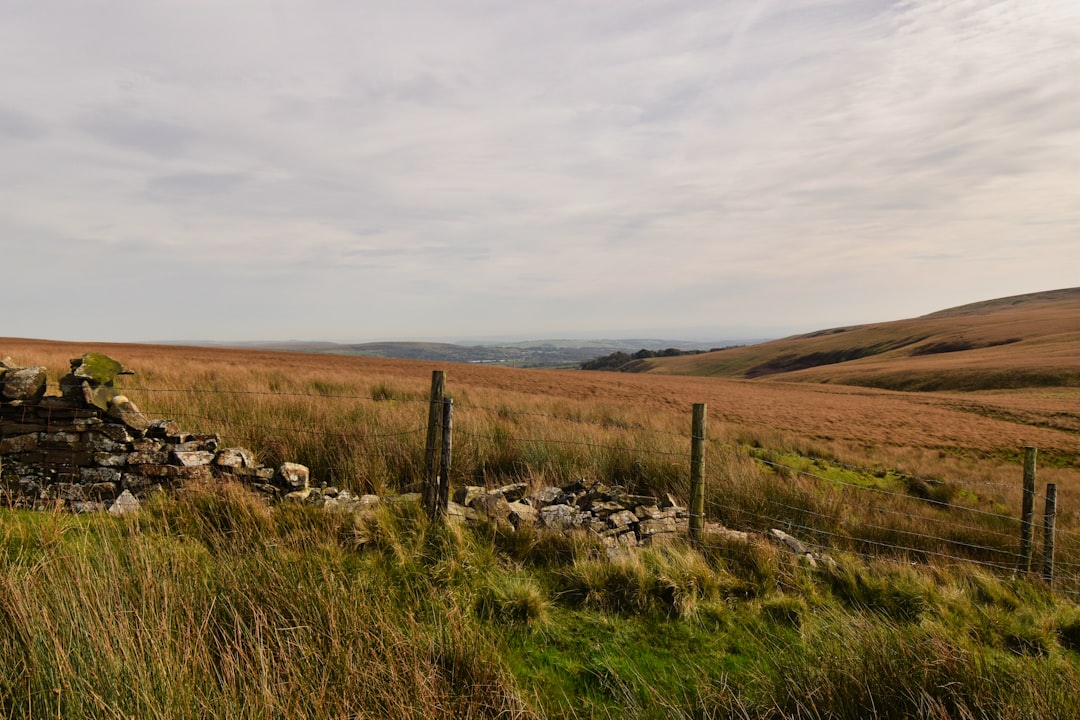
There’s a pattern to the failures we see across the region, from village boundaries near Gloucester to more formal estate settings towards Tetbury and beyond. Most issues aren’t mysterious—they’re the result of predictable shortcuts or misunderstandings about how dry stone walls actually work. If you’re choosing between the best dry stone wallers in the Cotswolds, it helps to know what tends to go wrong so you can ask better questions up front.
Cement, mortar, and why it cracks walls over time
It’s tempting to “stabilise” a dry stone wall with cement in spots, but rigid mortar and flexible stone movement rarely coexist happily. Over time, water finds hairline paths, freezes, expands, and can fracture adjacent stones or force movement into weaker sections. For dry stone walling Gloucester and dry stone walling Tetbury work, we typically recommend remaining true to dry construction unless there’s a clear, engineered reason not to.
Over-tall copes and under-sized bases
A wall with a narrow base and heavy, tall coping often looks fine at first glance—until gravity and weather start doing their slow work. The load needs to travel down through well-seated stone onto a base with enough width to resist spread, particularly in soft verges. In my experience, this is one of the most frequent causes of bulging in older repairs where the focus was on appearance rather than structure.
Loose hearting and “pretty faces” that fail
Walls fail from the inside out when the core is full of voids or loosely placed stone that shifts over time. You can create a very tidy face while hiding a weak centre, but the wall will still move, settle, and eventually open up. The best dry stone wallers in the Cotswolds treat hearting as a critical structural layer, not as an afterthought once the face stones look neat.
If you’re planning a broader set of works—stone features, landscaping, or building—our Services page gives an overview of how we integrate walling with related site work in a way that keeps the whole project coherent.
The Before-and-After Difference: Strength, Lines, and a Clean Finish
A well-built wall doesn’t need to shout to look impressive. The improvement is often a quiet one: a cleaner line, a more confident profile, and ends that look “finished” rather than like the wall was cut off mid-thought. When clients tell us they’ve been searching for the best dry stone wallers in the Cotswolds, this is usually what they mean—work that reads correctly both close up and from across the garden or field.
Straightness and batter: getting the profile right
Straightness isn’t about making the wall look machine-made; it’s about achieving consistent intent, whether that’s a gentle curve following a boundary or a crisp line along a driveway. Batter—the slight inward slope of the faces—helps lock the wall together and resist outward pressure from the core. We set batter deliberately rather than relying on “eyeballing,” because small inconsistencies become very visible over long runs.
Tidy ends, returns, and corners that lock in
Ends and corners are common weak points, especially where a wall meets a gateway, a building edge, or a change in level. A tidy return isn’t just cosmetic—it provides interlock and reduces the chance of unraveling if a local impact happens. This is also where the best dry stone wallers in the Cotswolds tend to stand out, because corners reveal whether the wall is genuinely tied or just faced.
Gateways, steps, and openings that look intentional
Openings are practical, but they can also elevate the overall look of a wall when they’re proportioned properly and finished with confident detailing. We’ll often recommend slight changes—stone sizes, cheek construction, or coping transitions—so a gateway doesn’t look like an afterthought. For properties around Stroud, Cirencester, and Tetbury, this kind of refinement can make the difference between “new work” and “as if it’s always been there.”
How We Quote and Plan: Transparent Pricing Without Surprises
Pricing for dry stone walling can feel opaque if you’ve never commissioned it before. We keep it straightforward: assess the site properly, agree the scope clearly, and then price the work based on real constraints rather than assumptions. For clients looking for the best dry stone wallers in the Cotswolds, transparency tends to matter as much as craftsmanship, because nobody wants a project that changes shape halfway through.
Site visit checklist: access, stone, and disposal
Access affects everything—from how stone can be moved safely to whether machinery can assist without damaging lawns, verges, or planting. We also check how much existing stone can be reused, what needs to be supplemented, and whether any waste must be removed from site. A thorough site visit reduces variations later and helps us set realistic expectations from the start.
What drives cost: height, length, condition, and complexity
Length and height matter, but condition is often the biggest variable, especially for Cotswold stone wall repair where hidden voids and poor earlier work can add time. Complexity includes corners, steps, curves, multiple ends, and working around services or mature landscaping. We’ll explain the pricing drivers plainly so you can make informed choices—such as repairing a shorter, more visible section now and scheduling a longer rebuild later.
Timelines, weather windows, and booking lead times
Dry stone walling is weather-resilient in many ways, but prolonged saturation, frost, and very short daylight can slow progress or reduce quality. We plan around sensible weather windows and advise on lead times early, particularly in peak months when demand is higher across Gloucestershire and Oxfordshire. If you need work aligned with other trades—landscaping or an extension—we can coordinate scheduling so the overall site stays workable.
For background on who we are and how we work on site, the About Us page gives a useful overview of our approach and the standards we bring to both stonework and wider construction projects.
Keeping Your Wall Standing for Decades: Simple Maintenance That Works
The best-maintained walls aren’t the ones that receive constant attention—they’re the ones that get a quick check at the right moments, before minor issues turn into major failures. Even when you’ve hired the best dry stone wallers in the Cotswolds, basic upkeep will protect your investment, especially in exposed areas where wind and water do their steady work.
Spotting early warning signs before failure
Small bulges, fresh gaps, and stones that suddenly feel loose under light pressure are early signs that the wall is beginning to move. Pay attention to changes after heavy rain, as water can wash fines from the base and create subtle settlement. If you catch these signs early, repairs are usually more localised, more affordable, and less disruptive.
Vegetation control and drainage best practice
I’m not against greenery near walls—Cotswold gardens look better with softness—but woody growth and invasive roots are a long-term risk. Keep shrubs and saplings from establishing in joints, remove ivy thoughtfully (not by ripping and pulling the wall apart), and make sure ground levels don’t create a constant damp band against the base. On retaining walls, ensure there’s a sensible path for water so pressure doesn’t build behind the structure.
After storms: what to check and when to call us
After high winds or major storms, check coping stones first, then look along the wall line for any new curves or changes in profile. If a section has dropped or opened up, avoid re-stacking stones loosely—this can make later repair harder and less safe. For dry stone walling Stroud and the wider area, we’re happy to advise on whether a quick pinning repair is appropriate or whether a rebuild is the sensible option for long-term stability.
When maintenance questions come up, it often helps to have a reliable point of reference. Our Faqs page answers several common practical questions about stonework, site logistics, and what to expect during a job.
Questions Homeowners Ask in the Cotswolds (And the Honest Answers)
Most clients aren’t trying to become walling experts—they simply want work that looks right, lasts, and doesn’t create avoidable headaches. These are a few questions we hear regularly from homeowners, private estates, and designers sourcing the best dry stone wallers in the Cotswolds. The answers below are practical rather than theoretical, based on how projects tend to run locally.
Do you need planning permission for wall work?
Often, like-for-like repairs and modest boundary work won’t require planning permission, but there are exceptions—especially in conservation areas, with listed properties, or where wall height and visibility change materially. It’s always wise to check with the local authority if your site has restrictions or if you’re significantly altering a boundary line. If you’re unsure, we can help you think through the questions to ask before work begins.
How long should a dry stone wall last?
A well-built dry stone wall can last decades, and in many cases much longer, provided the footing remains stable and vegetation is managed. Failures typically come from water issues, ground movement, impact, or poor earlier repairs rather than “age” alone. Choosing the best dry stone wallers in the Cotswolds is essentially choosing to reduce avoidable failure points from day one.
Can you match my existing stone and style?
In most cases, yes—especially if we can reuse a good proportion of your existing stone. Where additional material is required, we’ll aim to match by tone, size, and weathered character, and we’ll replicate the coping and coursing style so new work doesn’t stand out. This is particularly important for dry stone walling Tetbury and village settings where the wall is part of the property’s public-facing character.
Your Next Step: Get a Wall That Looks Right and Stays Right
If you’re weighing options and want a result you won’t need to revisit in a couple of years, it helps to treat your wall as a piece of construction—because that’s what it is. Clients who come to us after searching for the best dry stone wallers in the Cotswolds typically want two things: confidence in the method and clarity on the process. We’re set up to provide both, whether your job is a small garden boundary or a longer run across an estate edge.
What to prepare for a fast, accurate quote
If you can, note the approximate length and height, take a few clear photos (including ends, corners, and any bulges), and tell us whether the wall is retaining soil or simply a boundary. It also helps to confirm access—parking, narrow lanes, steps, or whether materials need carrying through the property. With that information, we can usually move quickly to a site visit and a properly grounded quotation.
Choosing the right repair window this season
If a wall is actively bulging or has dropped coping, earlier is usually better, because water ingress tends to accelerate movement. Spring and early autumn can be ideal windows for predictable progress, but we also plan work carefully year-round when conditions allow. For dry stone walling Minchinhampton and other elevated areas, we’ll factor exposure and frost risk into scheduling so quality isn’t compromised.
How we start: survey, scope, and schedule
We begin with a practical assessment—what’s sound, what needs rebuilding, what stone can be reused, and what finish will match the setting. Then we confirm the scope in writing, agree timings, and plan the work so the site stays safe and tidy throughout. If you’d like to discuss a project, the simplest next step is to use our Contact page and share a few details about your location (Cheltenham, Stroud, Tetbury, Cirencester, Gloucester, or nearby) and what you need.
Ultimately, “best” should mean dependable, well-finished, and appropriate to the Cotswolds—not just visually pleasing on day one. If that’s what you’re after, we’ll be glad to help you plan and deliver walling that genuinely earns the description: the best dry stone wallers in the Cotswolds.
For any inquiries or to explore your vision further, we invite you to contact our professional team.